
Plateau government finally admits attack on Fulani traders when suddenly silence is no longer an option
By: Zagazola Makama
Something rather unusual happened in Plateau today. The Plateau State Government actually condemned an attack on Fulani traders.
Yes, Fulani traders, although the official statement carefully introduced them as simply “traders,” perhaps because mentioning the word Fulani might make the incident slightly more uncomfortable for some people.
The attack on traders returning from the Kara Livestock Market in Bukuru left one person dead and seven others injured after their vehicle came under gunfire.
The government’s reaction is welcome. But it also leaves one wondering: Why does the government seem to become more interested in an attack only after it has become impossible to pretend it did not happen?
For years, the public has watched a familiar script unfold. An attack happens. Nobody wants to talk too much about it. Then there is a reprisal. Suddenly, the state becomes extremely concerned, press statements appear. Condolences are issued. The Governor personally visits the scene and tells them, “Nobody can take over your land,” while security agencies are urged to act. And the reprisal becomes the headline.
The government’s statement referred to the victims as “traders.” Nothing wrong with that, technically. But everyone knows who these particular traders were. They were peaceful Fulani pastoralists returning from a livestock market. So why the linguistic gymnastics? Is “Fulani” now one of those dangerous words that must be handled with protective gloves? If the victims had been identified as members of the Berom or Mwaghavul community, would their identity have been equally inconvenient?
And there’s this funny thing about the information ecosystem and propaganda platforms in Plateau. When the incident occurred, many Plateau-based platforms were quick to circulate claims pointing accusing fingers at Fulani militia attacking locals, with some calling for quick intervention. Then the narrative was convenient.
But when subsequent information reportedly pointed in another direction, including allegations involving suspected Berom militia, the same enthusiasm disappeared. The microphones became silent. And, rather mysteriously, the internet developed a severe case of selective mutism. The same platforms that had been shouting suddenly discovered the beauty of silence. The headlines vanished. The outrage suddenly lost its urgency. They pretended not to see the attack again. Why? Because the victims are Fulani.
Apparently, when the suspected attacker is Fulani, everyone becomes an investigative journalist. When the allegation points elsewhere, everyone suddenly remembers the importance of waiting for security agencies to investigate.
It is almost as if somebody is waiting for the second half of the tragedy because it fits the preferred narrative better.
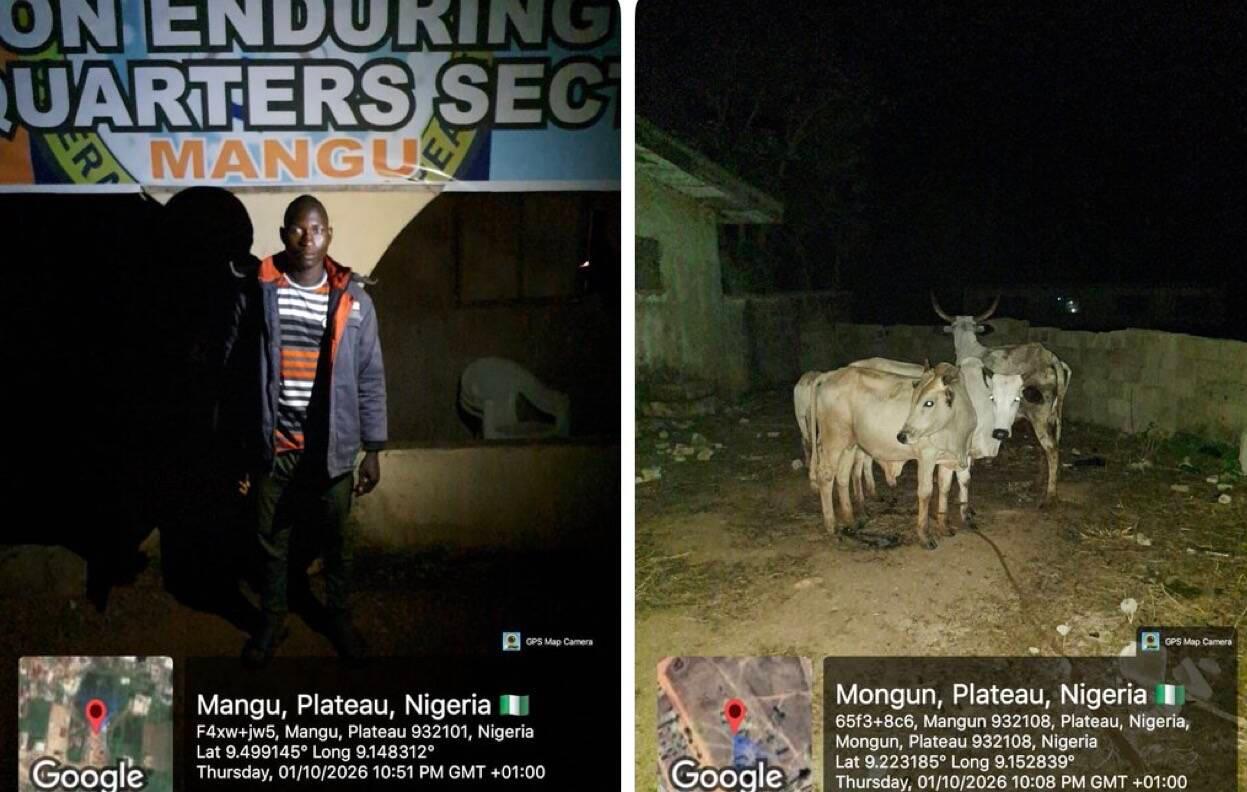
Of course, there is another subject that nobody seems particularly enthusiastic about discussing: “cattle rustling”. And somehow, the subject continues to receive considerably less attention from government of Plateau state. On a daily basis, hundreds of livestock are allegedly stolen from Fulani herders in Plateau by militia groups. Hundreds of others are killed on a daily basis.
And here is the script: “You attack a pastoralist, steal his cattle, destroy his livelihood and then act surprised when the community becomes angry and carries out a reprisal. You then subsequently use the anger generated by that crime as proof that the original victim was the aggressor.” You will even hear some of the youth leaders always saying, “Just because they kill their cows, does that give him the right to attack us?” Let’s simply rearrange the chronology of the crimes in Plateau. If a Fulani person commits a crime today, he must face the law and pay heavy compensation. Infact, the Governor had issued a directive that any herder caught destroying farmland should be nutrialised.
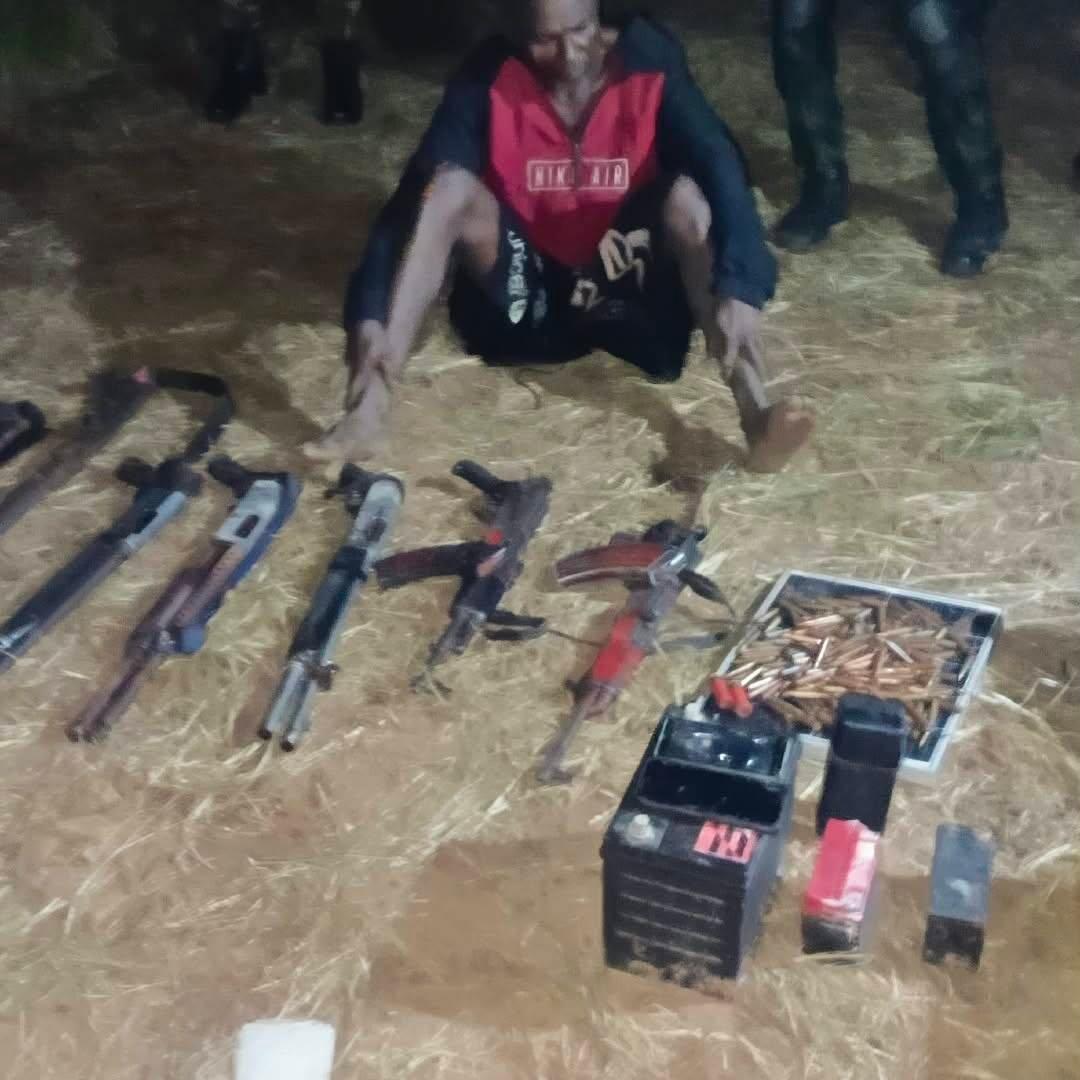
But on the contrary, If a Berom person or any plateau local commits a crime by attacking a Fulani and killing their livestock, the next day, women will protest his arrest and demand that he must be released. In fact, the new name for criminals in Berom communities is “Defenders of the Land.”
At the same time, if a Mwaghavul person commits a crime, he must not face the law. And if any journalist should carry the report like Zagazola, ahh, that one is the spokesperson of the bandits. In this context, who are the bandits?
The innocent people that suffered the initial attack that led to the arrest of the Mwaghavul militia. In many Plateau communities, criminality means patriotism because the criminal belongs to the Berom ethnic group.
The government’s condemnation of the Bukuru attack is therefore welcome. But condemnation alone is not enough. If they really want to end this madness, they must also identify the attackers and take them out. They must expose anyone financing violence through stolen livestock or other criminal proceeds.
Most importantly, the government must resist the temptation to treat justice as a popularity contest. The question should never be, “Which community do we want to defend?”
Because if the state continues to condemn only the violence that fits its preferred narrative, then everybody will eventually become an expert at playing victim while the criminals quietly continue doing business.