
From Fulani Bandits to Berom Militia: Zagazola Will Continue Naming Criminals, No Matter Who They Are
By Zagazola Makama
Yesterday, we published a report identifying the attacker killed during the attempted assault on the National Institute for Policy and Strategic Studies (NIPSS), Kuru, as a suspected Berom militia member. That simple act of calling the attacker by his known identity immediately made many people uncomfortable.
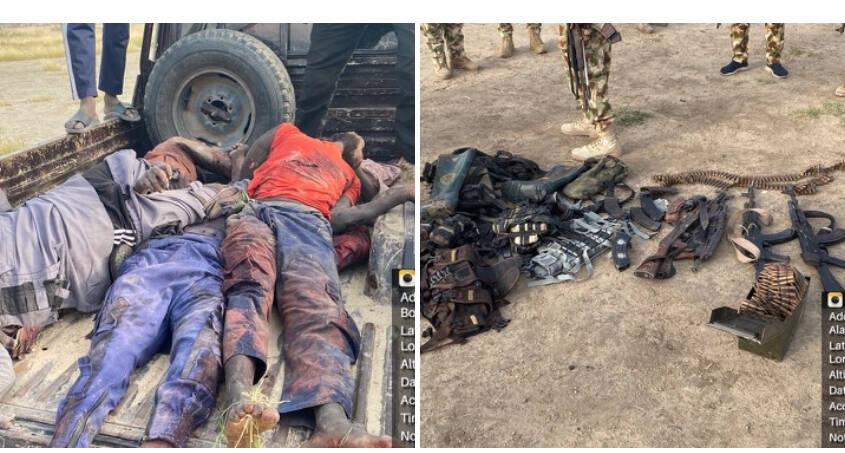
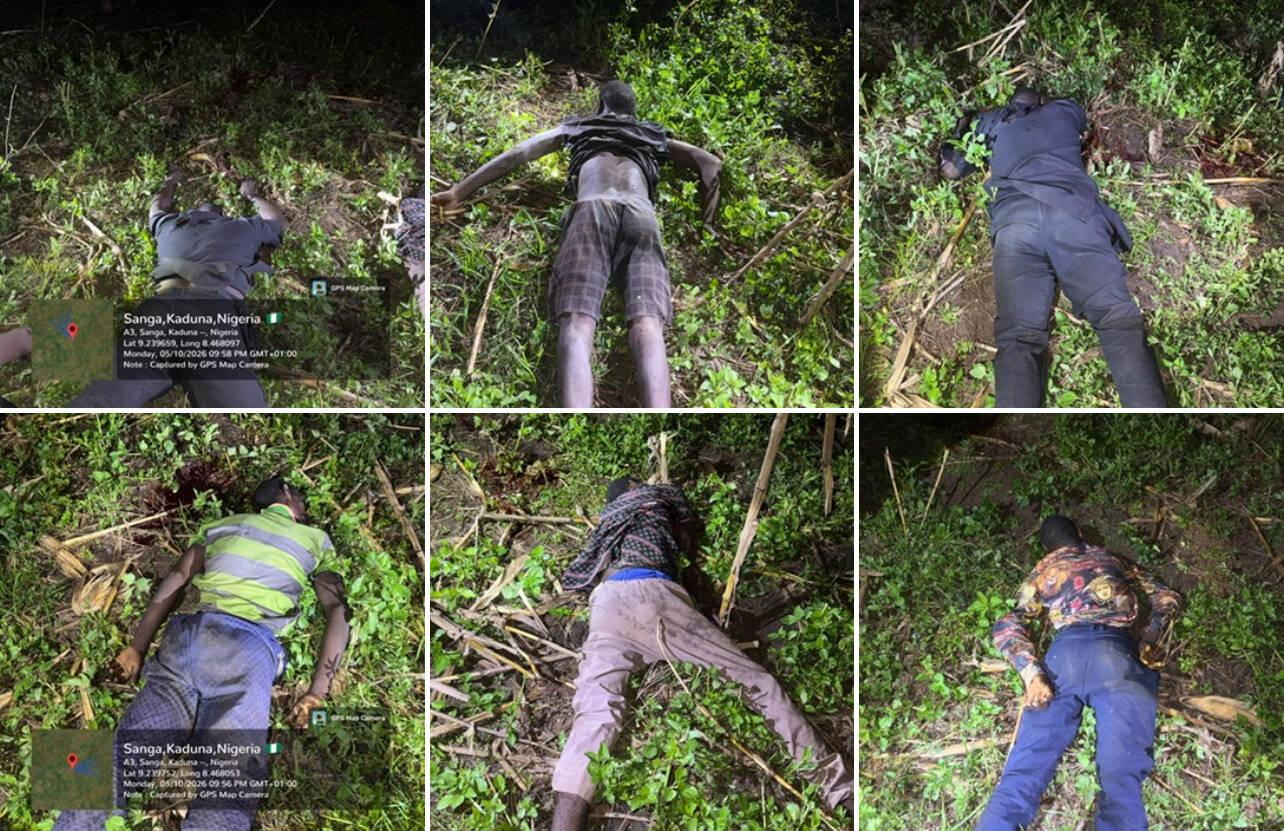
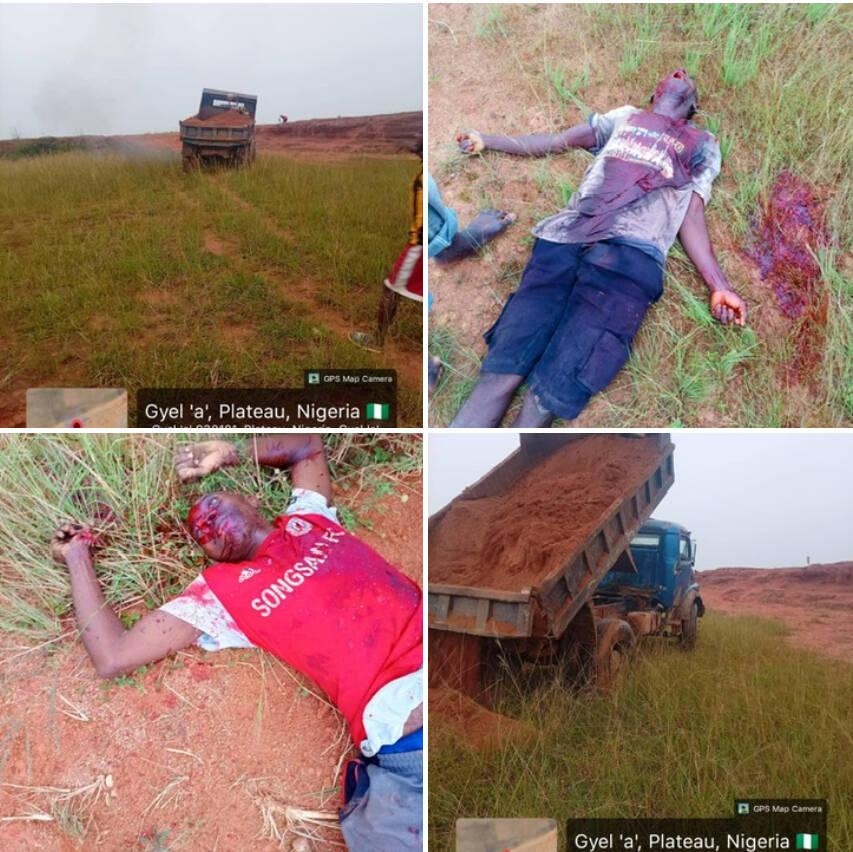
The reaction was predictable. For years, many have demanded that security reports identify Fulani attackers whenever communities are assaulted. We have consistently done so. When armed criminals of Fulani extraction carry out attacks, we do not hide behind vague descriptions such as “unknown gunmen.” “Armed attackers or assailants. We identify them as Fulani bandits or Fulani attackers where the facts support it. So why should the standard suddenly change because the attacker is Berom?
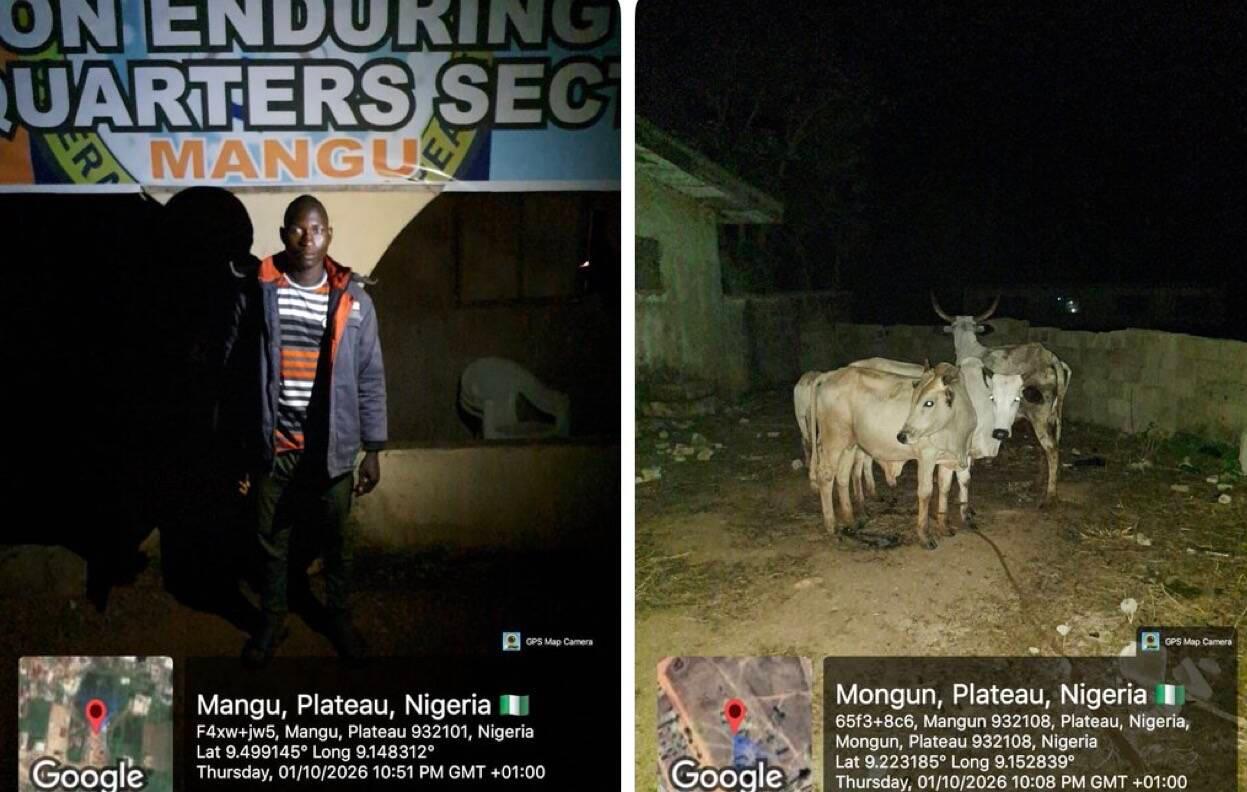
At Zagazola Makama, we made a deliberate decision while reporting the Plateau crisis that every attacker would be profiled according to established facts, including identity and area of operation. If an attack is carried out by Fulani criminals, we say so. If it is committed by Berom militia, we say so. If Erigwe are responsible, we report it. If Mangu militias are involved, we identify them accordingly. Criminality must never enjoy the protection of ethnicity, religion, or politics.
No community has a monopoly on victimhood, and no community is free from criminal elements. Pretending otherwise is one of the reasons the Plateau conflict has remained difficult to resolve.
The hypocrisy is striking. Many people are comfortable sharing our reports when Fulani criminals are exposed. They praise objective journalism and demand accountability. But the moment a criminal from their own ethnic group is identified, the complaints begin. Suddenly, facts become “divisive,” reporting becomes “biased,” and journalists are accused of profiling an entire community. It cannot work that way.
Justice cannot have two standards.
The individual neutralised during the attempted attack on NIPSS was not an anonymous figure. Within minutes of the operation, residents around Kuru and Trade Centre were already identifying him by his name (PETER) and pointing to his Berom background. That information was already circulating locally long before it appeared in our report.
Yet many of the loudest voices who routinely condemn violence suddenly went silent. There were no emotional statements. No passionate calls for justice. No public condemnation of the attack on security personnel. No acknowledgement of the professionalism displayed by troops who repelled yet another assault on a strategic national institution. Instead, the energy shifted to questioning why the attacker’s identity was mentioned.
That silence speaks volumes. The soldiers who defended NIPSS prevented another deadly attack. They recovered a service rifle stolen months earlier from a soldier killed by the Berom Militia. Those soldiers deserved commendation but Instead, some preferred to grumble in WhatsApp groups because the facts disrupted a convenient narrative. (Any youths caught with arms is a defender of his community) and he is innocent.
This is exactly why Nigeria’s security challenges persist. Too many people judge violence not by the crime committed but by who committed it.
A murderer does not become less of a murderer because he shares your language. A militia fighter does not become a freedom fighter because he belongs to your ethnic group. An armed attacker does not become a victim simply because exposing him makes your community uncomfortable.
At Zagazola Makama, our position remains unchanged. We will continue to expose Fulani bandits. We will continue to expose Berom militias, Erigwe or the Mangu militias. We will continue to expose every criminal organisation, regardless of ethnicity, religion, or political affiliation.
The only side we recognise is the side of innocent victims and the security personnel risking their lives to protect them.
The day Nigerians stop defending criminals because they bear familiar names or come from familiar communities is the day the country will begin winning the fight against insecurity.
Until then, facts will remain uncomfortable but they will still be reported.