Internal Rift Deepens in ISWAP as Leader Detains Four Shura Council Members Over Alleged Dissent
By: Zagazola Makama
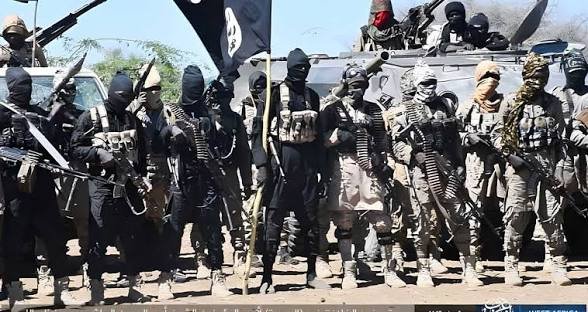
A fresh wave of internal distrust has reportedly engulfed the leadership of the Islamic State West Africa Province (ISWAP) in the Lake Chad Basin, following the arrest and detention of four senior members of the group’s influential Shura Council by its overall leader in the area, Ba Shuwa.
Zagazola Makama gathered from credible intelligence sources that the arrests were ordered after the group’s internal intelligence unit, known as the Amniyya, concluded a prolonged surveillance operation on the four senior figures.
According to the sources, the detained leaders were accused of repeatedly listening to what ISWAP leadership described as “subversive” audio messages believed to have originated from Nigerian military psychological operations targeting insurgents in the Lake Chad region.
Those arrested were identified as Mallam Burin, a widely respected Qaid (field commander) with considerable influence among fighters operating around the Lake Chad islands; Babakura Wanjam, a prominent ISWAP cleric known for providing ideological guidance to members; as well as Abu Huraira and Mallam Ari Kara, both senior members of the group’s Shura Council.
Security sources said the arrests have triggered anxiety and uncertainty within ISWAP’s ranks, particularly because those detained are regarded as trusted members of the organisation’s senior decision-making body.
The development is being viewed as one of the clearest signs yet of growing suspicion and internal fractures within the terrorist group’s leadership structure.
“The detention of influential commanders and religious figures by their own leader reflects an atmosphere of deep mistrust within the organisation. It suggests that Ba Shuwa is increasingly concerned about possible ideological drift, dissent or covert influence among even his closest associates,” a security source familiar with the development said.
The extremist organisations often become vulnerable when internal loyalty is questioned, as prolonged suspicion can undermine operational planning, weaken command cohesion and erode fighters’ confidence in their leadership.
The latest incident comes amid sustained military pressure by Nigerian and regional forces against ISWAP strongholds in the Lake Chad Basin, where intelligence-driven operations and psychological campaigns have continued to target the group’s command structure and rank-and-file members.
It was believed such sustained pressure has increasingly forced the group into defensive internal security measures, including tighter surveillance of its own members and frequent investigations into suspected disloyalty.
Sources disclosed that the current development is being closely monitored by security agencies, which consider the apparent leadership crisis an opportunity to further weaken the terrorist organisation through intelligence exploitation and psychological operations.
According to the sources, efforts are ongoing to establish the exact location where the four detained leaders are being held, assess the reaction of other ISWAP commanders, and monitor Ba Shuwa’s next moves.
Sources say that if the reported divisions continue to widen, they could contribute to reduced morale among fighters, disrupt command and control, encourage defections and potentially accelerate fragmentation within the organisation.