Niger Launches AES Biometric Passport as Sahel Bloc Deepens Regional Integration
By Zagazola Makama
The Republic of Niger has officially launched the Alliance of Sahel States (AES) biometric passport, marking another significant step in the confederation's drive toward deeper regional integration following its withdrawal from the Economic Community of West African States (ECOWAS).
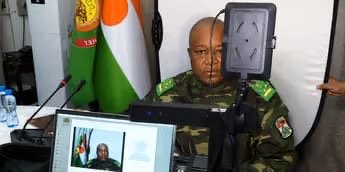
President Abdourahamane Tiani became the first recipient of the new travel document during an enrollment ceremony held at the Presidency in Niamey, where officials also unveiled the passport's official brochure.
The biometric passport was developed in accordance with harmonized technical specifications agreed upon by experts from Niger, Burkina Faso and Mali during a meeting in Bamako in October 2024. The standards were subsequently endorsed by ministers responsible for security in the three member states.
According to the Nigerien government, the new passport is designed to enhance document security, facilitate the free movement of citizens within the Alliance of Sahel States, and align travel and identification systems across the confederation. The initiative forms part of a broader modernization programme aimed at strengthening regional cooperation and reducing dependence on ECOWAS-era travel documents.
The launch follows similar initiatives in Burkina Faso and comes months after Niger introduced the AES biometric national identity card, with President Tiani and Prime Minister Ali Mahamane Lamine Zeine among the first citizens to be enrolled. The three-member confederation has continued to advance plans for closer cooperation in defence, trade, customs, and the free movement of people and goods as it builds common institutions under the Alliance of Sahel States.


