
Plateau crisis: MACBAN blame communities, government for failure to expose criminals
By: Zagazola Makama
The Secretary of MACBAN Plateau State Chapter, Barister Salisu Isa Muhammed have blamed the failure of communities to expose criminals within their midst, weak prosecution and alleged lack of political will by government for the persistence of violence in the state.
Muhammed said the crisis could not be resolved by security operations alone, arguing that Fulani, Berom, Mwaghavul and other communities must take responsibility for identifying and exposing criminals operating among them.
Speaking on the causes of the persistent violence, one of the Fulani leaders said communities had failed to sit down and confront the problem collectively.
“The communities of Plateau have failed in exposing criminals, few criminals among them. There are some reasons why they failed. Maybe if I have time, I will expose those reasons from my own knowledge.”
He said the failure cut across ethnic lines, stressing that communities should expose criminals regardless of whether they were Fulani, Berom, Mwaghavul or from other ethnic groups.
“From all the tribes, Fulani, Berom, Mwaghavul and others, the criminals… they refuse or fail or neglect to expose or fish out criminals among them.”
According to him, criminality should not be generalised to an entire ethnic group because of the actions of a few individuals.
He said, “There are criminals on the Fulani side and there are criminals on the Berom and Mwaghavul side. We should identify who the criminals are among us.”
The leader also raised concerns about the handling of suspects by investigating and security authorities, including the police, intelligence personnel and soldiers.
He said there were instances where suspects were arrested and taken to court but eventually returned to their communities.
“I cannot go into the reason why I am saying this because I am not an investigator, I am not an arresting officer. But I know sometimes, you arrest somebody, take him to court, and he comes back.”
He said the failure to identify and properly deal with criminals was contributing to the continuation of the crisis.
‘Government lacks political will’
The Fulani leader identified what he described as lack of political will as another major factor sustaining the violence.
“Government is not ready to holistically and sincerely face the crisis and deal with it in an appropriate way. Sentiments, politics are there intervening in dealing with the criminals.”
He accused government of failing to demonstrate sufficient responsibility toward victims from affected communities.
According to him, Fulani herders and their families had also suffered killings and other losses during the crisis but had not received adequate government attention.
“Our cows, our herders have been killed on daily basis. It will be difficult to say that a herder has not been killed.”
He said government officials rarely visited affected Fulani communities to offer condolences or discuss the losses suffered by their members.
“Government is not going to us and say, ‘Oh, sorry to what happened to you.’ Not even to talk of compensation of the victims.”
The leader said the perceived absence of government support had created frustration among some members of the community.
“We are the first persons that are suffering from this crisis and the banditry that is ongoing. But nobody compensates us.”
He further alleged that some relief materials brought into Plateau State from outside were not reaching affected Fulani communities.
“Even when relief materials come from outside Plateau State, the government took it and denied us our own share. And we are going complaining and nobody comes to our aid.”
He said such experiences could deepen resentment and make communities more vulnerable to retaliatory violence.
“Meaning the government doesn’t care about what is happening to us, and it turns some of us to be very angry with the government.”
The MACBAN, however, acknowledged that communities must not respond to provocation through violence, saying grievances should instead be reported to the appropriate authorities.
He said the continuing crisis required a collective response involving communities, security agencies and government.
“These are some of the causes. No solution. But the solution must involve all of us.”
He called for Fulani, Berom, Mwaghavul and other communities to abandon collective suspicion, identify criminals within their respective communities and cooperate with security agencies to prevent further attacks and reprisals.
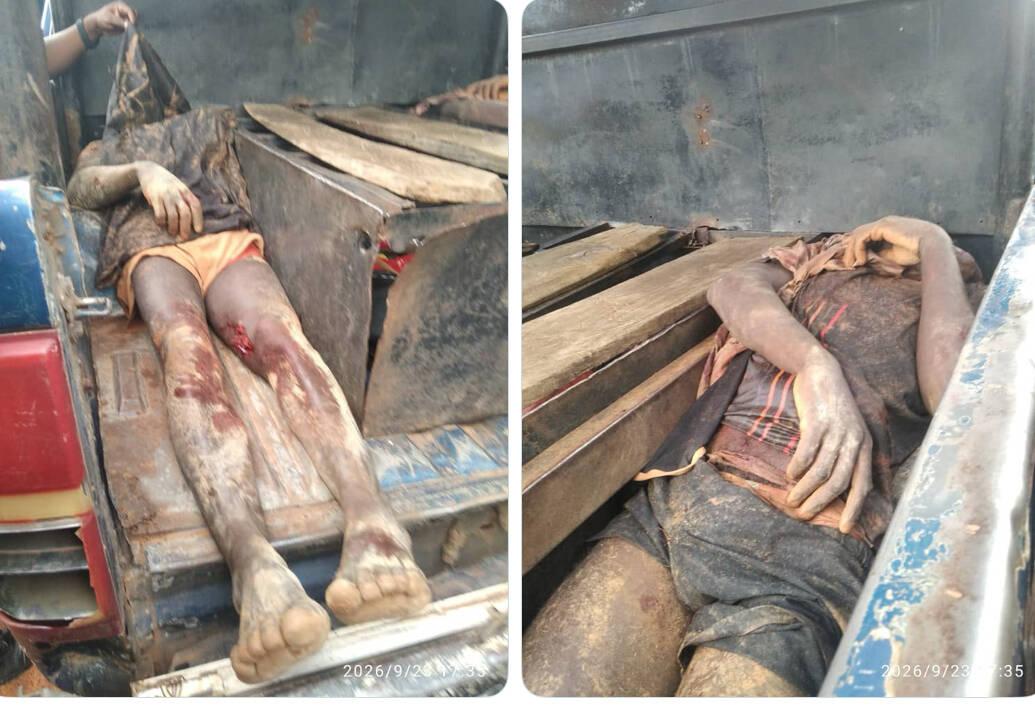
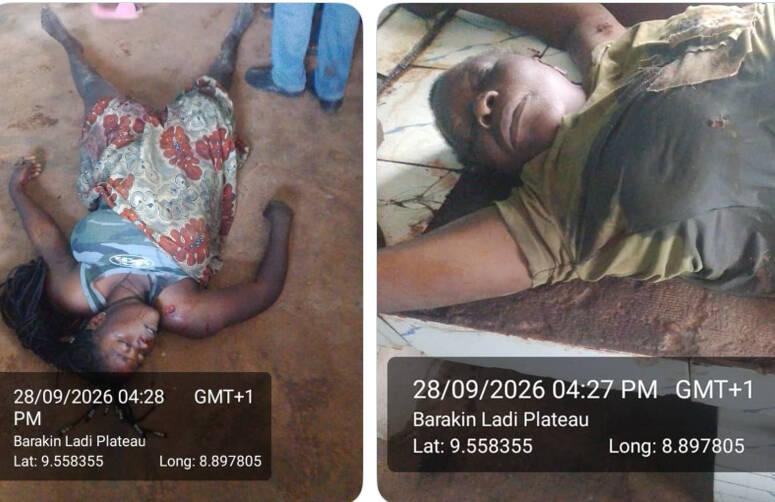
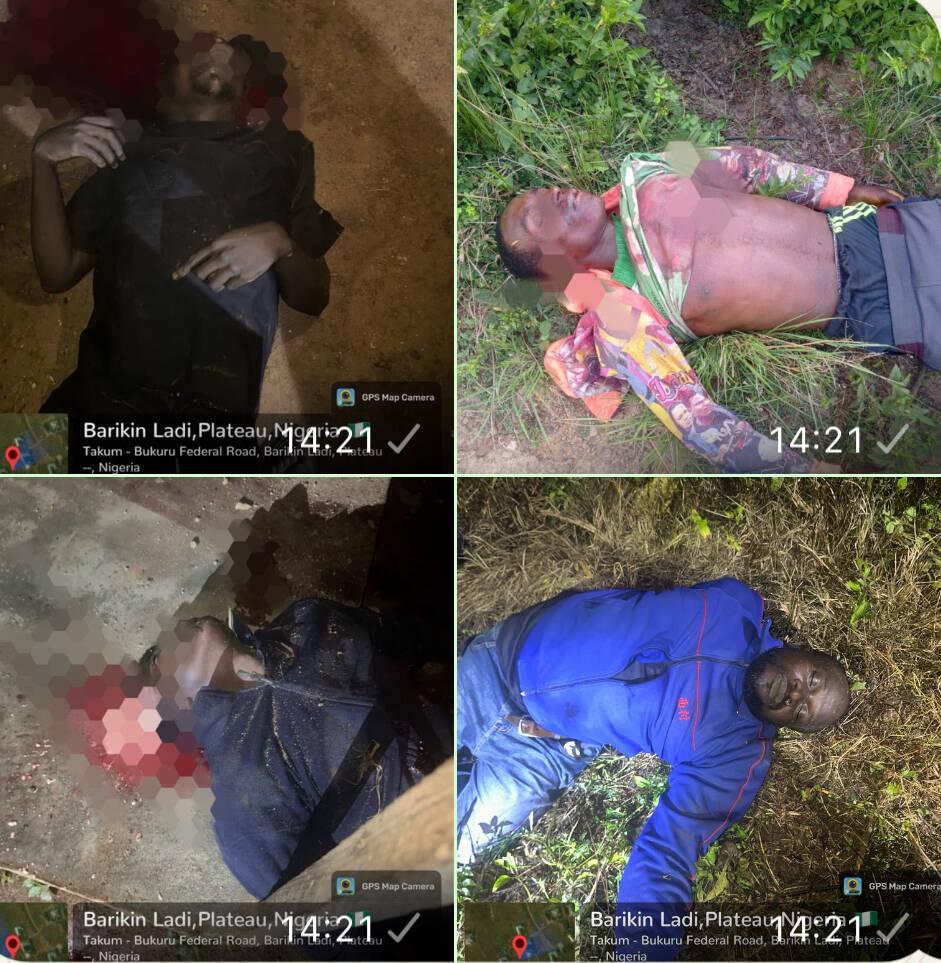
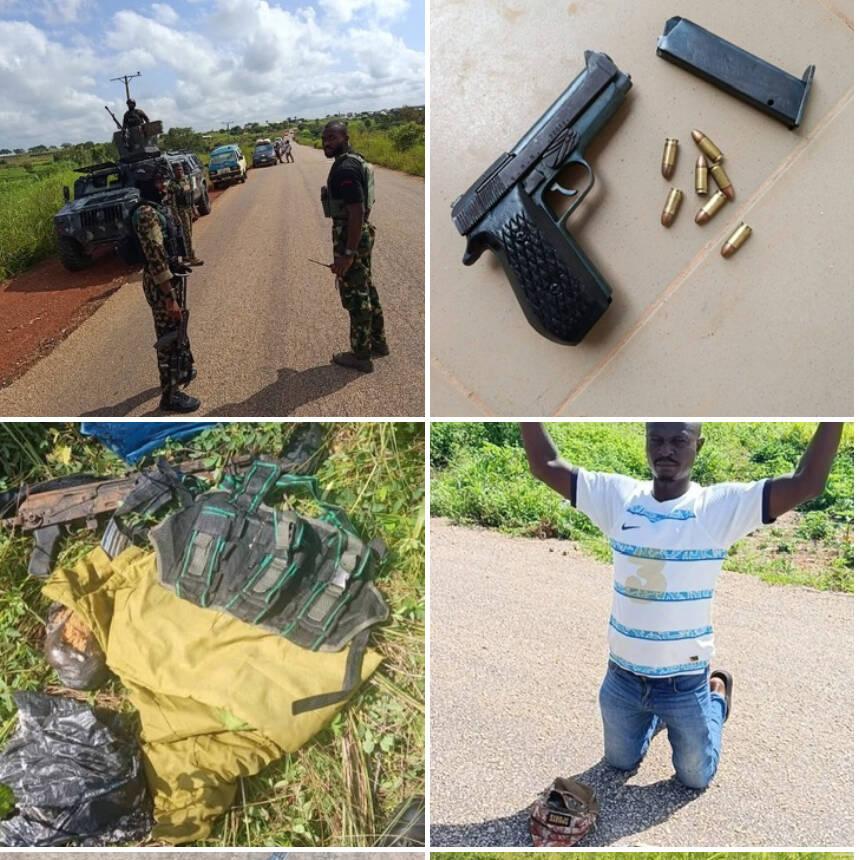
The comments come amid continuing attacks, reprisals and heightened tensions in parts of Plateau State, where communities have repeatedly accused one another of violence, cattle rustling, killings and destruction of property.