Palm Sunday attack in Angwan Rukuba reveals coordinated assault, lingering security threats in Plateau
…As silent killings continue…
By: Zagazola Makama
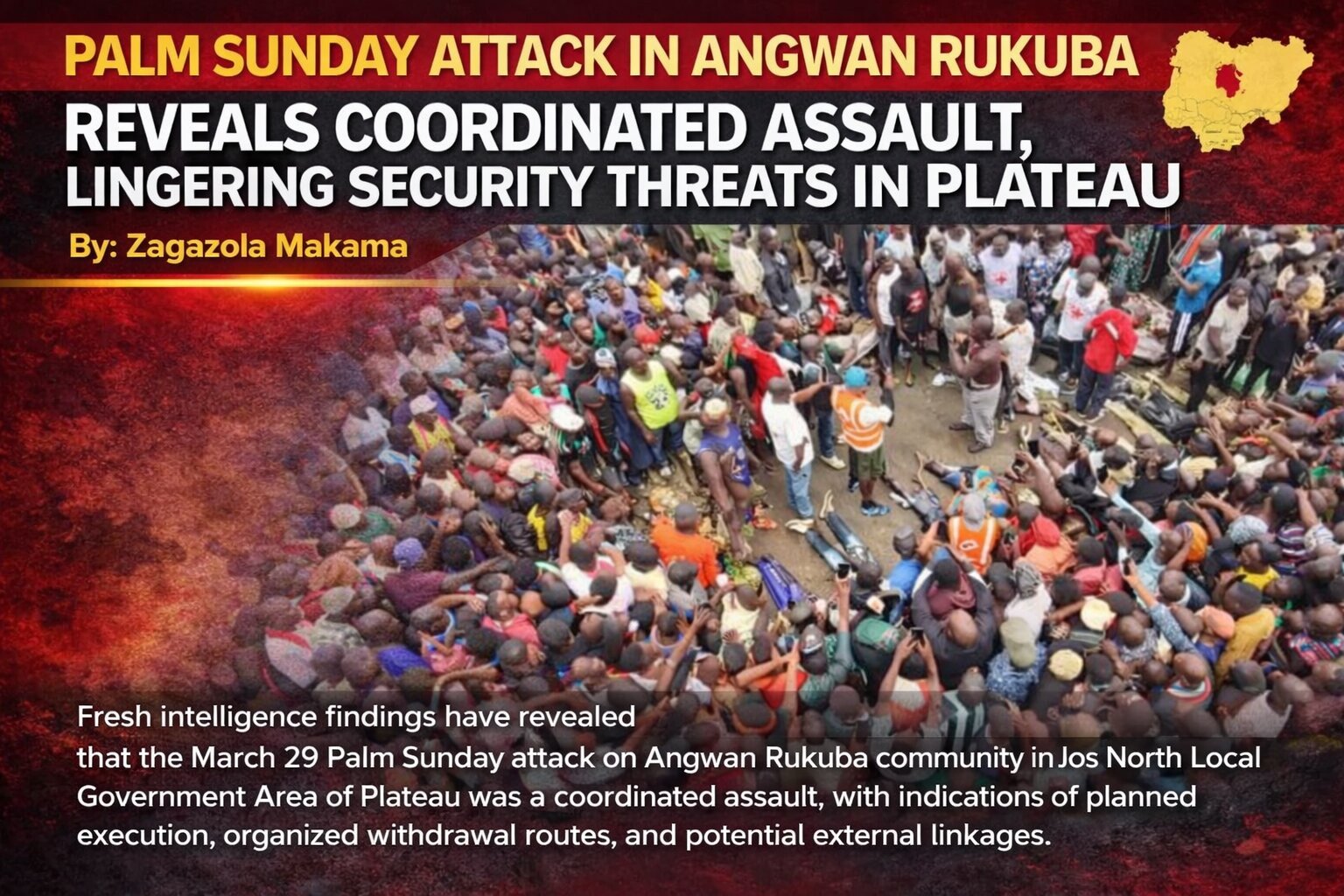
Fresh intelligence findings have revealed that the March 29 Palm Sunday attack on Angwan Rukuba community in Jos North Local Government Area of Plateau was a coordinated assault, with indications of planned execution, organised withdrawal routes, and potential external linkages.
Findings from intelligence gathered at the Angwan Rukuba crime scenes indicated that, in the early moments of the assault, initial investigations were hampered by confusion, as some observers, reportedly under the influence of substances, mistook the attackers for operatives of the National Drug Law Enforcement Agency on a routine raid, hesitating to flee or raise alarm—a delay that may have cost lives.
A youth leader gave another false account that the attackers were backed by soldiers who gunned down two persons, a narrative that was confirmed by multiple sources to be false. Other witnesses claimed the attackers were cultists.
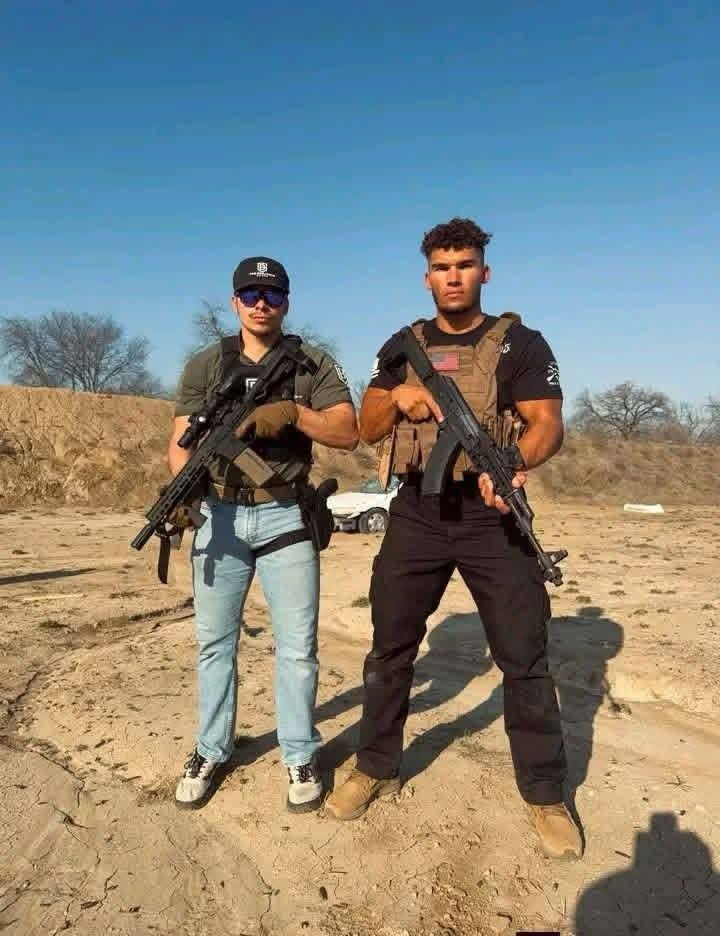
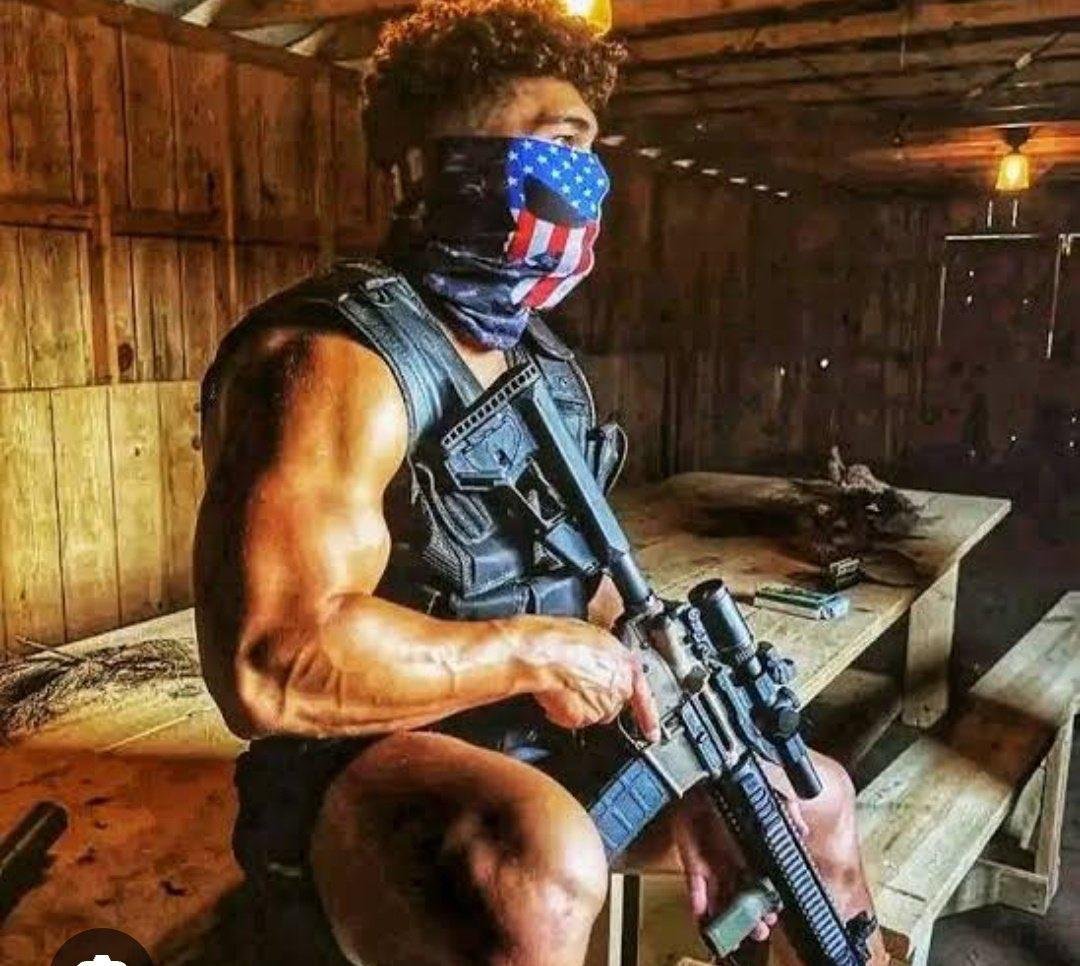
Alex Birbir, an American missionary, claimed that the attackers were Fulani Muslim jihadists even before investigations were conducted. There were more than 30 different accounts from people, most of whom were not at the scene of the incident. However, structured collation of first-contact accounts has provided a clearer picture of the incident.
 |
 |
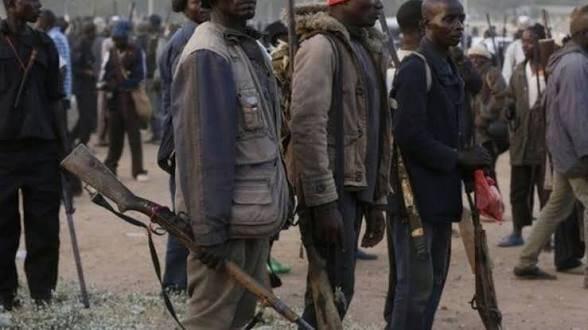
According to carefully collated eyewitness accounts from the scene, one source said that the attackers arrived at Angwan Rukuba Junction in two vehicles—a red Sharon bus and a Toyota Hilux pickup—before disembarking with weapons that included AK-47 rifles.
In what now appears deliberate and tactical, the attackers split into two groups. One group held position at the junction, controlling movement and creating confusion, while another, estimated at six to seven members, advanced on foot towards the Gari Yawaye corridor, moving deeper into the community. What followed was swift and brutal. The attackers reportedly entered homes and shops, killing about 12 persons in a matter of minutes.
Descriptions of the assailants point to a young group aged between 18 and 22, dressed in a mix of military-style gear, black clothing, and desert scarves. They spoke in what witnesses described as an unfamiliar language, with some suggesting it resembled an unusual Fulani dialect, though this remains unverified.
One resident who confronted an attacker was killed, while another woman who clearly saw the assailants was chased but managed to escape. Their appearance, language, and coordination have raised difficult questions for investigators—not just about identity, but about training, intent, and possible external links.
Angwan Rukuba sits on a strategic corridor, a ring road linking Jos to Bauchi, Kaduna, and key institutional areas, including the University of Jos. Ordinarily, escape from such a location without detection would be difficult. Yet the attackers managed to withdraw, splitting again into two distinct paths.
The group at the junction, unable to wait due to growing crowds who initially mistook them for security personnel, moved along the Gondola–Yan Trailer–Tina route. Along the way, they reportedly killed bystanders before diverting into Rikkos, a densely populated urban settlement.
The second group retreated on foot through Gari Yawaye, cutting through a shorter route towards the old Legislative Quarters before disappearing into the rugged terrain of Maza Hills. Security sources say the hills provide a natural corridor leading towards Zinarya and onward to Toro Local Government Area of Bauchi State, a route that has now come under renewed scrutiny.
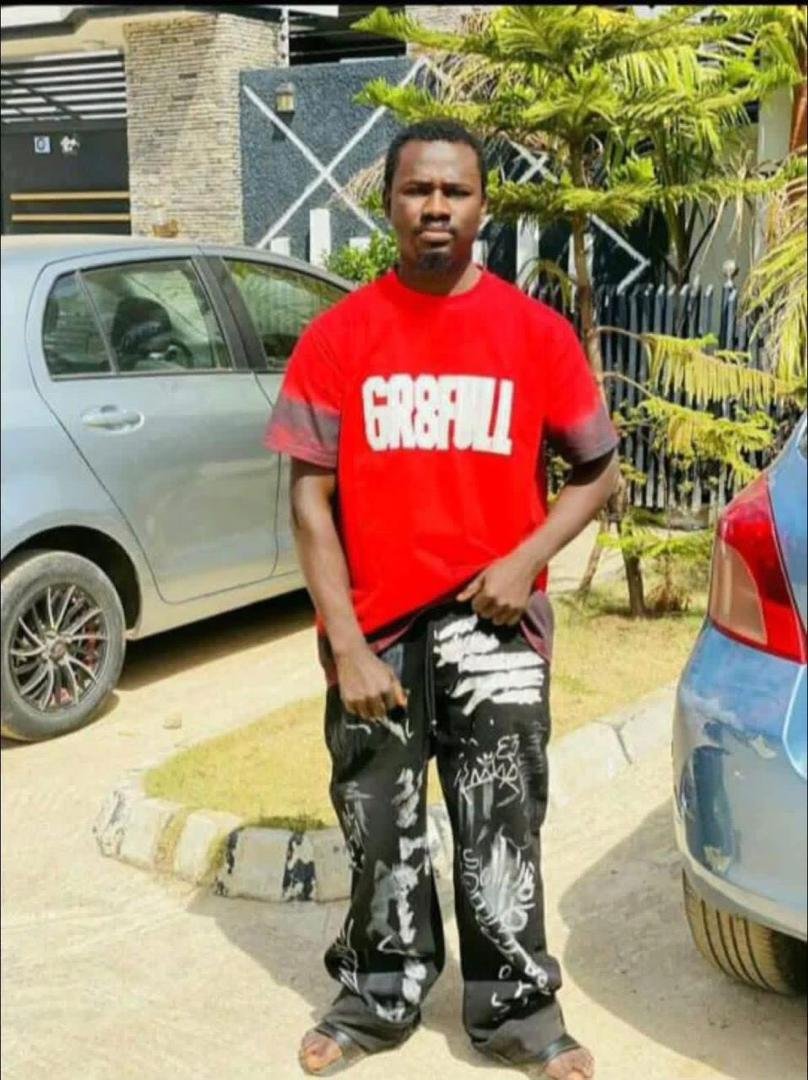
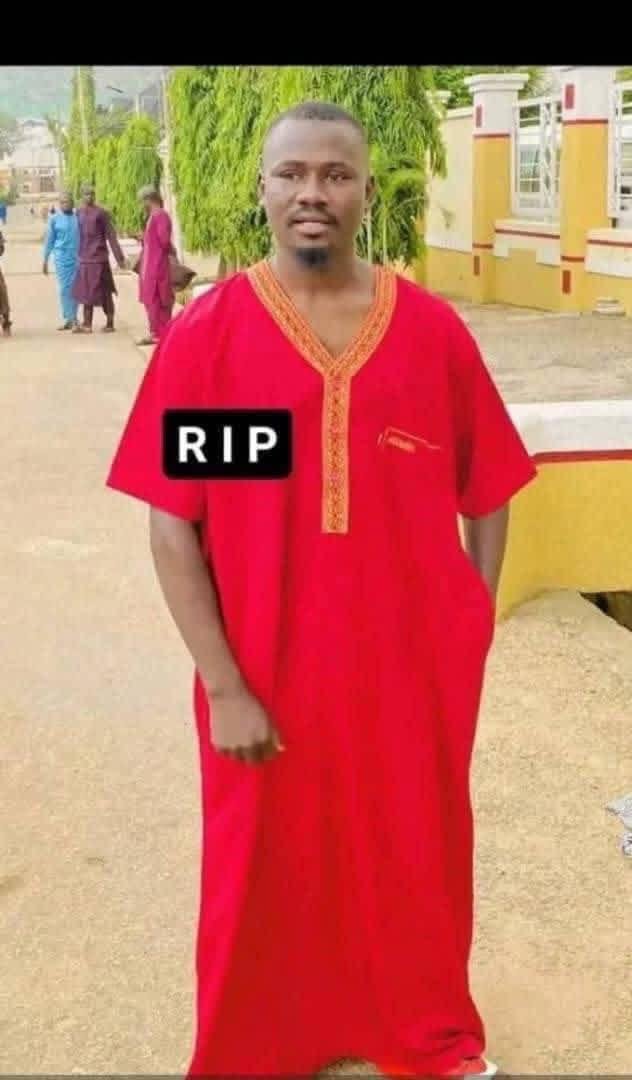
Although about 12 persons were killed in the initial assault, among them two Muslims, the violence did not end there. Across Jos, tensions spiralled. Passers-by were lynched based on their identities in retaliation. Two victims identified as Hausa were beaten mercilessly and killed, while their corpses were burnt beyond recognition; others were hacked with machetes.
 |
 |
There are also concerns about where the attackers fled. Rikkos, one of the identified escape points, has a history of security interest. In 2012, intelligence operations uncovered a Boko Haram cell in the area linked to coordinated bombing attacks, including the THISDAY office. Maza Hills, the other route, offers rugged terrain and access to neighbouring Bauchi State, where intelligence suggests potential militia build-up.
By the time calm began to return, the death toll had risen to around 30, not from one attack, but from multiple, cascading incidents. This pattern reflects a familiar cycle in Plateau: a trigger event followed by reprisals on innocent travellers and commuters, leading to more confusion and wider communal violence.
The government imposed a 48-hour curfew to help bring the situation under control. However, the relaxation of the curfew made the situation worse. Subsequent incidents, including unrest at Gada Biu and the killing of a civilian near the University of Jos main gate, further added to the volatility of the situation, even as troops under Operation Enduring Peace (OPEP), the police, and other joint security forces moved swiftly to restore calm. Gov. Caleb Manasseh Mutfwang, the Executive Governor of Plateau State, also visited the scene, appealing to youths not to take the law into their own hands.
But despite his appeal, the role of inflammatory rhetoric by youth leaders encouraged further escalation of attacks. One example was a viral video by popular social media personality, Martins Vincent Otse, widely known as VeryDarkMan, where he was heard urging residents to adopt a confrontational posture, stating: “Anybody you see that is not from here, anybody that looks suspicious, before they get you down, get them down!” He further said: “If you keep quiet and wait for the government… it won’t be the first time… when does this stop?”
Otse urged residents not to rely on government intervention, saying: “If you keep quiet and wait for the government… it won’t be the first time, it won’t be the second time… when does this stop? You promise us security, but nobody is secure!”
The content creator also appeared to call for a shift from passive reactions to active confrontation, stating: “No be only Boko Haram sabi kill, no be only bandit sabi kill. All of us fit kill… all of us na killers, until you ready. No ever say you no get the mind. You fit kill person. You can kill people. And for these people, oh my God.” He added: “Please protect yourselves and don’t wait for the government.” He further called on the people of Rukuba: “Enough is enough. Anybody wey you see wey cross your path, kill am.”
The attack quickly spilled over and manifested as fracas in the general area of Nasarawa in Jos North LGA of Plateau State. The violence subsequently gained momentum and spread from Nasarawa to other flashpoints, including Katako Junction, Farin Gada, Gada Biu, Angwan Rogo, and Rikkos, among others.
Perhaps most troubling are the warning signs that preceded the attack. Residents had reportedly been warned by VeryDarkMan to attack any unfamiliar individuals they did not know, making people, particularly tricycle and motorcycle operators who appeared to have little knowledge of local routes but actively sought destinations, legitimate targets.
The attacks, which triggered widespread tension across Jos metropolis, have continued to draw concern from security stakeholders, despite the imposition of a curfew and increased deployment of security personnel in the state.
Security sources said that although the curfew, deployment of security personnel, evacuation of civilians and students from vulnerable locations, and intensified patrols had helped restore some level of calm and saved lives, the overall situation remained unresolved and fragile.
 |
 |
 |
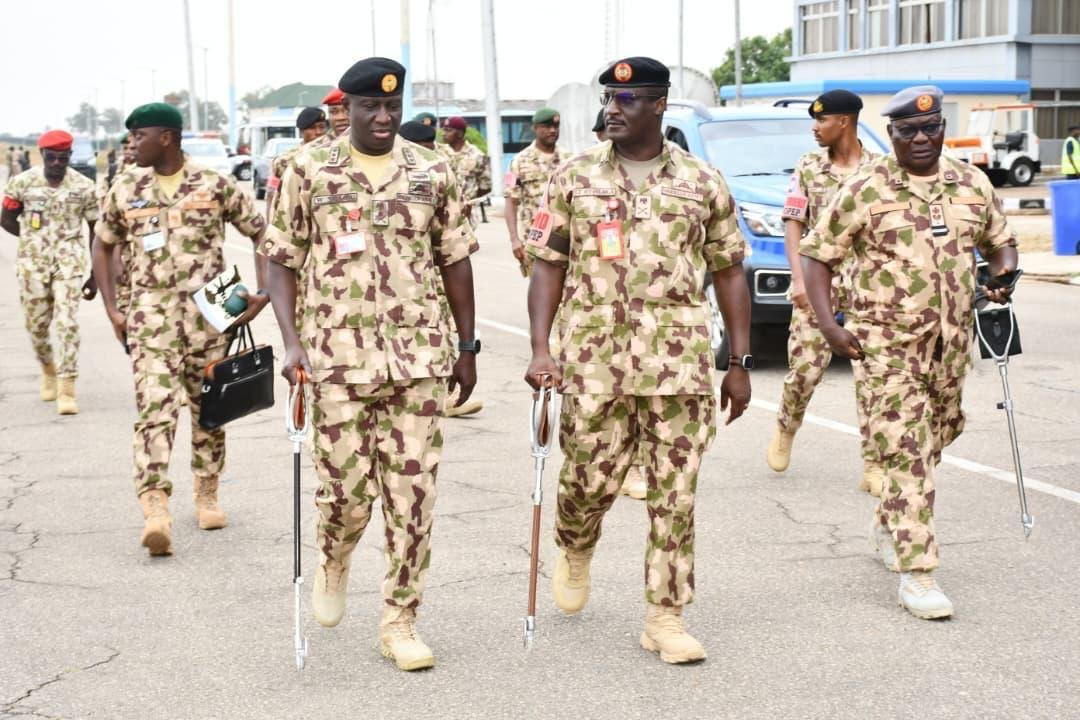 |
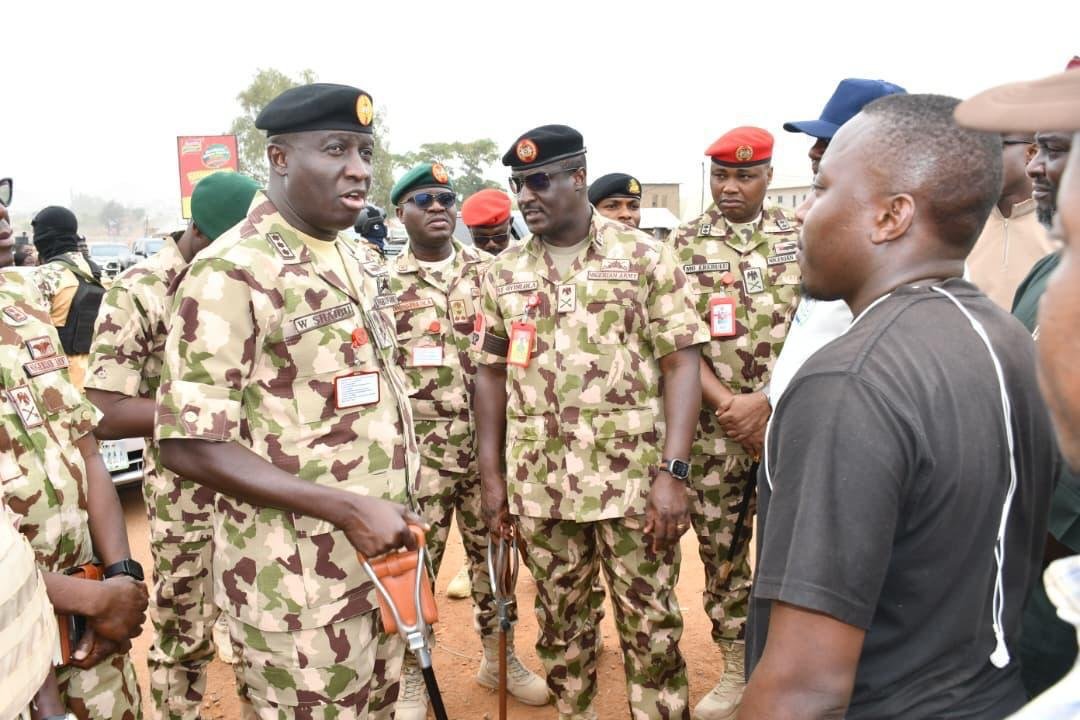
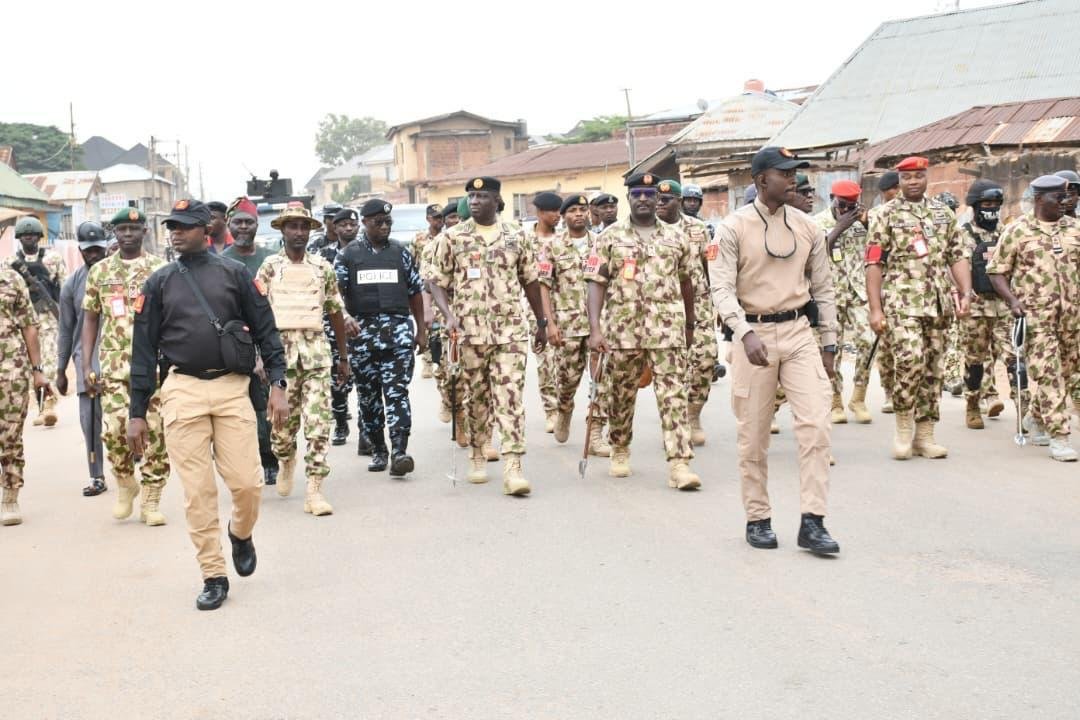
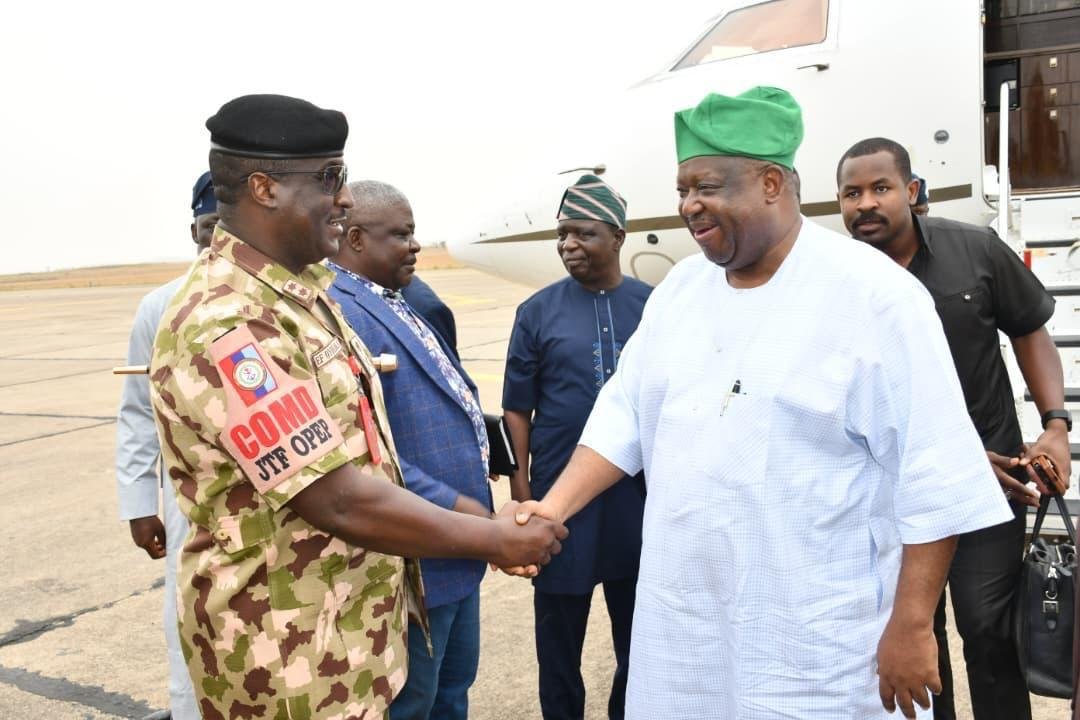
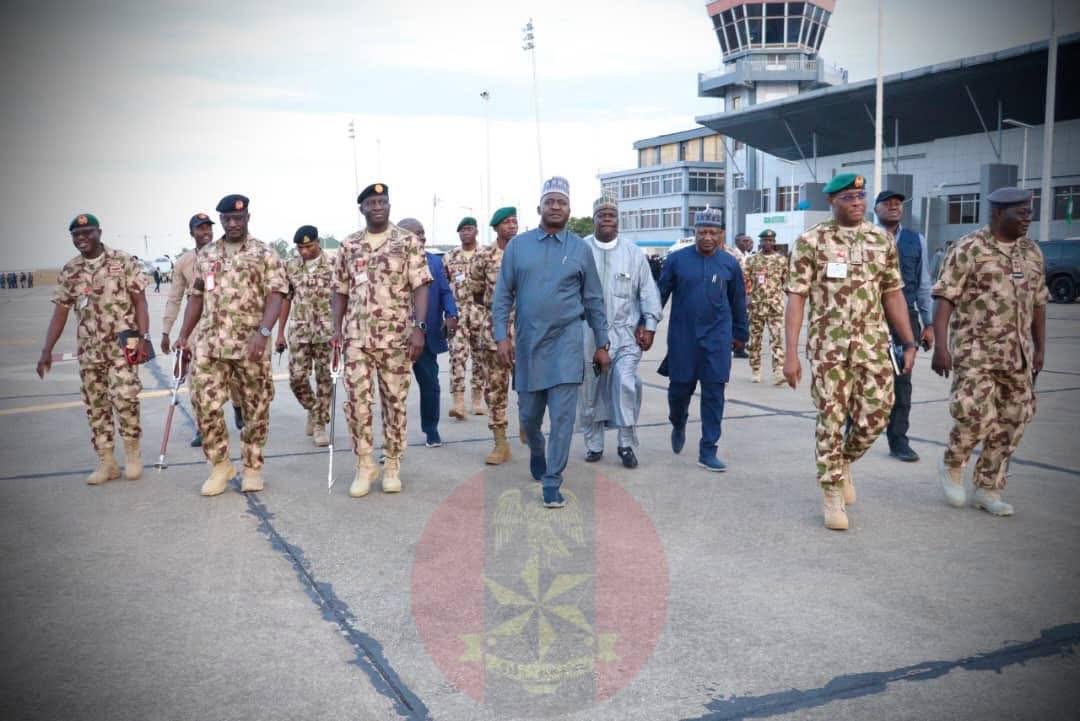
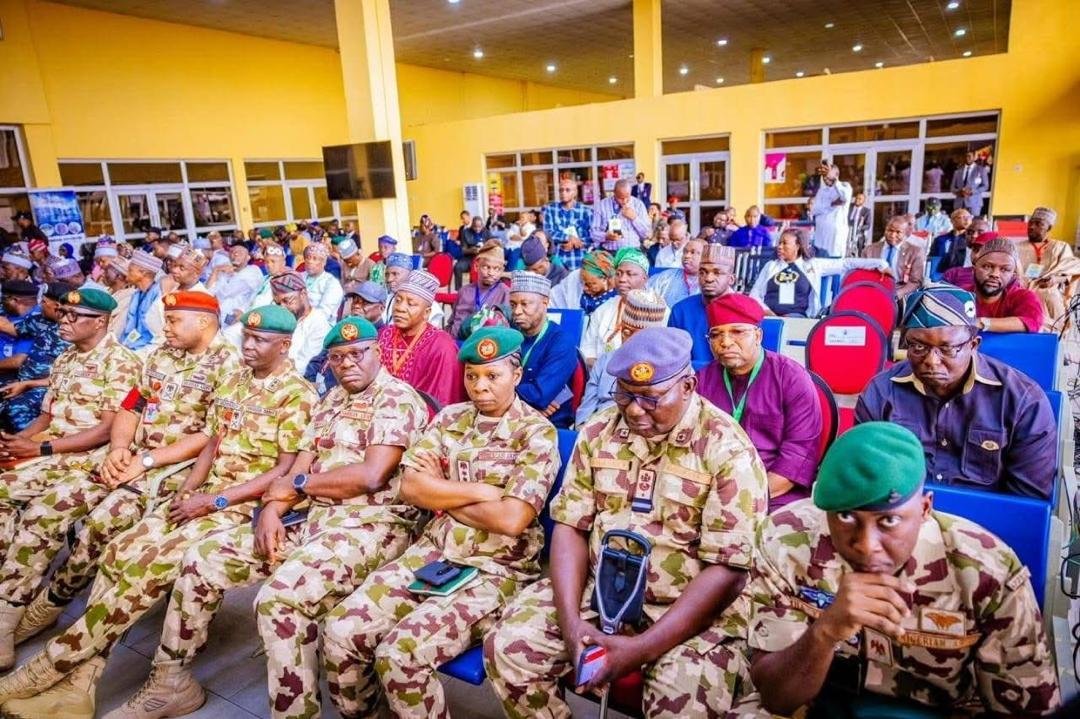
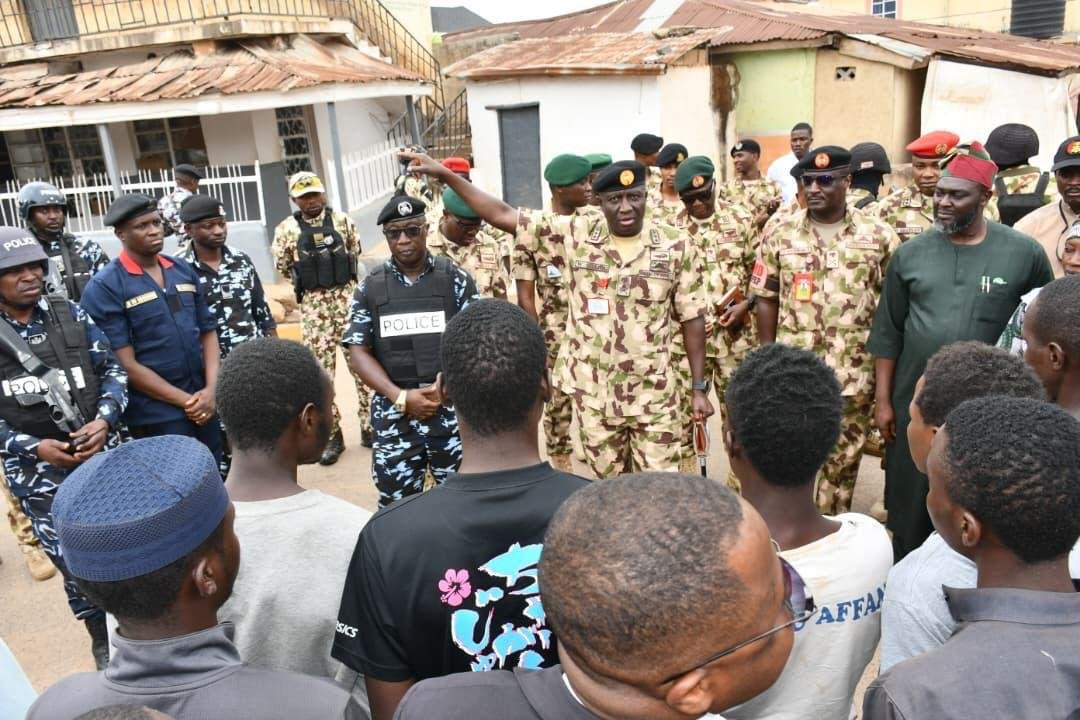
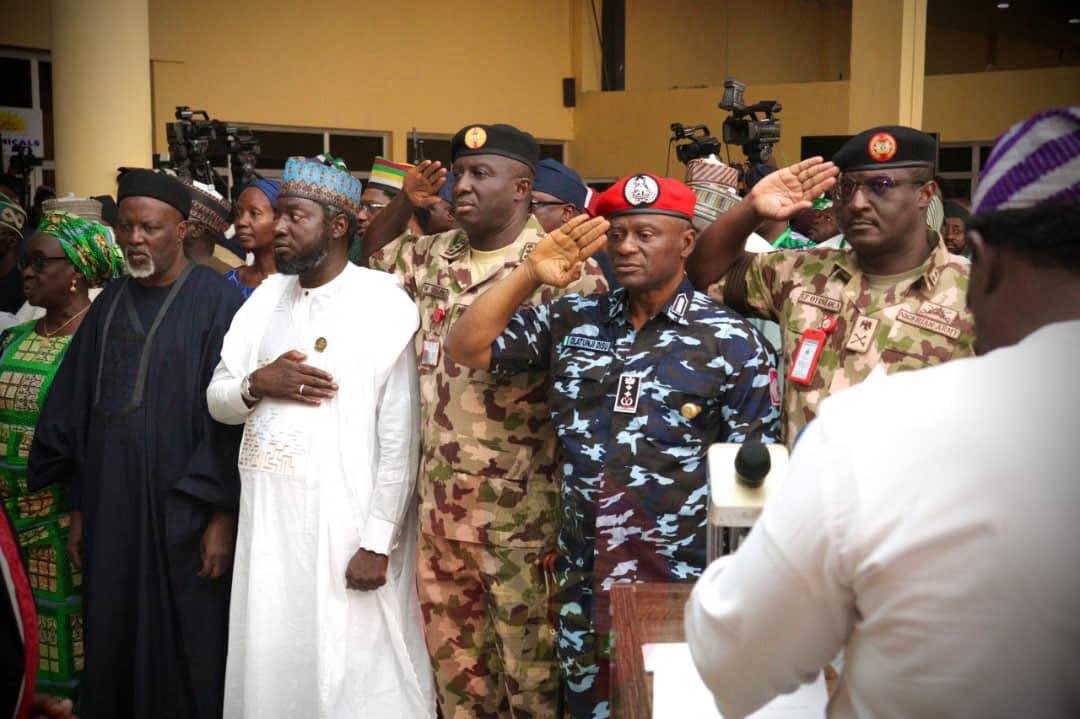
However, In a swift and decisive move to contain the escalating security situation in parts of Plateau State, the Chief of Army Staff (COAS), Lieutenant General Waidi Shaibu and the Inspector General Police, stormed plateau to rejig the readiness of the security forces.
The COAS approved the immediate deployment of 850 additional troops to strengthen ongoing operations under Operation ENDURING PEACE.
 |
 |
 |
 |
The Inspector-General, Olatunji Rilwan Disu, noted that an immediate and robust operational response was activated. This included the deployment of the Deputy Inspector-General of Police in charge of Operations, DIG Usman Nadada, and the Assistant Inspector-General of Police in charge of the Police Mobile Force, AIG Francis Iwu, alongside eight (8) units of the Police Mobile Force, the Special Intervention Squad, and other tactical and intelligence units. These operations were executed swiftly in collaboration with other security agencies, including the military.
Despite efforts efforts of the security forces sources say there have been reports of pockets of attacks and “silent killings” in parts of the state, with casualties including market women reportedly evacuated to morgues, as well as corpses allegedly discovered under bridges, particularly around the Gadan Sougai axis along the Bauchi Road towards the University of Jos.
Nigerian Army troops also intercepted some indigenous youths who attacked residents at Dutse Uku in Northern Plateau. They attempted to kill people and burn down homes before troops rushed to the scene after hearing sporadic gunshots. The army engaged the attackers in a heavy gunfight before they fled the scene, while two were arrested.
In another incident, troops of Sector 5, Operation Enduring Peace, foiled an attack by suspected armed herders following a clash with vigilante members in Mandun Ruwi village, Bokkos Local Government Area of Plateau State. The incident occurred at about 4:00 a.m. on April 2 after troops responded to a distress call over a confrontation linked to grazing on farmland.
On the same day, troops of Sector 2, Operation Enduring Peace, neutralised three suspected terrorists (not Fulani) during an ambush operation at Karem village in Wase Local Government Area of Plateau State. Again, at about 2:30 p.m., security operatives responding to reports of cattle rustling in Barkin Ladi Local Government Area engaged suspected rustlers heading towards Farin Lamba in Riyom LGA. The criminals (Berom youths), upon contact with troops, abandoned 30 rustled cows and fled into nearby bushes. The livestock were recovered and handed over to their rightful owner.
At about 0630 hours on April 3, another isolated killing was recorded after some local criminals attacked and killed a youth along the Rd JOL–TANJOL village in Riyom, Plateau State. Troops discovered the corpse, which was later evacuated by family members for burial.
Residents, particularly in the northern part of Plateau, were said to have continued to experience fear, with distant gunshots frequently heard at night without a clear direction, forcing many to flee to safer areas. Individuals unfamiliar with the terrain remained vulnerable, as incidents of killings, harassment, attacks, and injuries were still being recorded during both curfew and non-curfew hours.
For now, the curfew holds and relative calm has been restored. Troops remain deployed. Communities are watchful. But beneath the surface, tension lingers. The situation in Plateau remains delicate and unpredictable.
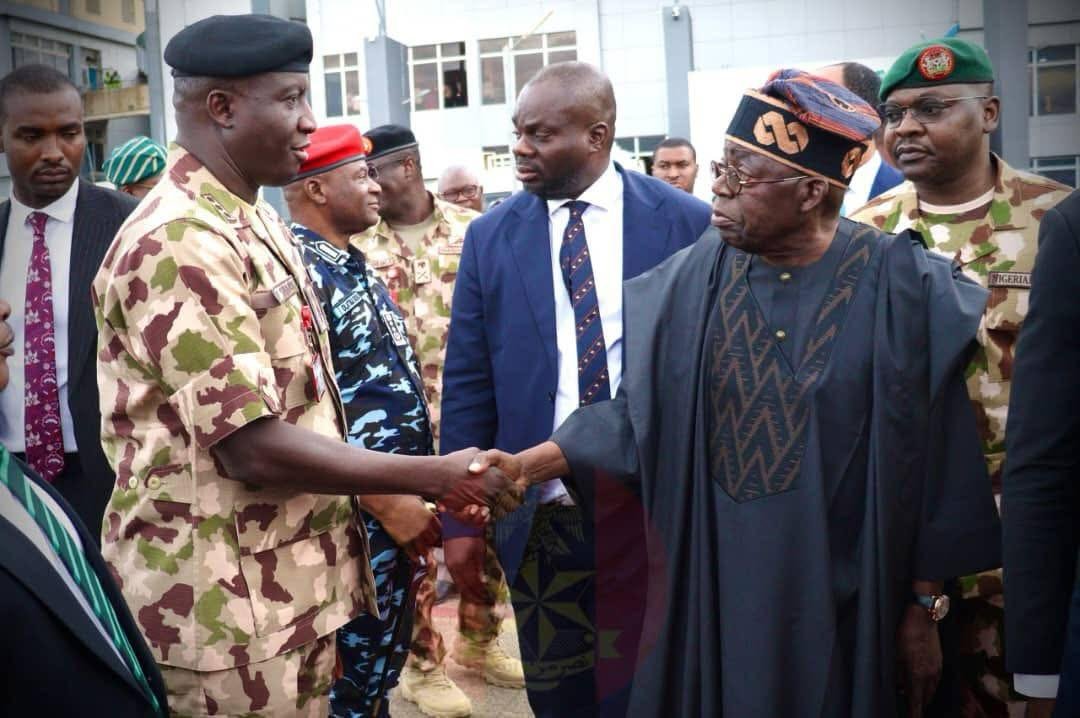 |
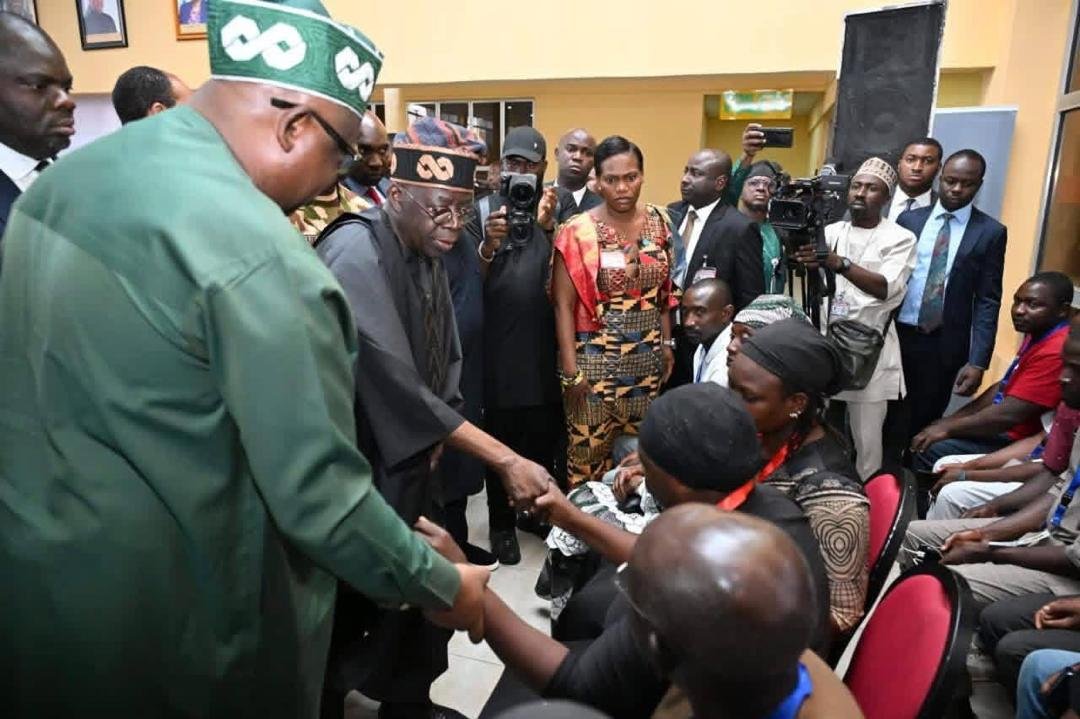
President Bola Ahmed Tinubu has emphasized the urgent need to end the cycle of violence through justice and accountability. He assured victims and community leaders that the Federal Government would not tolerate impunity, stressing that those responsible for the attacks would be identified and brought to justice.
 |
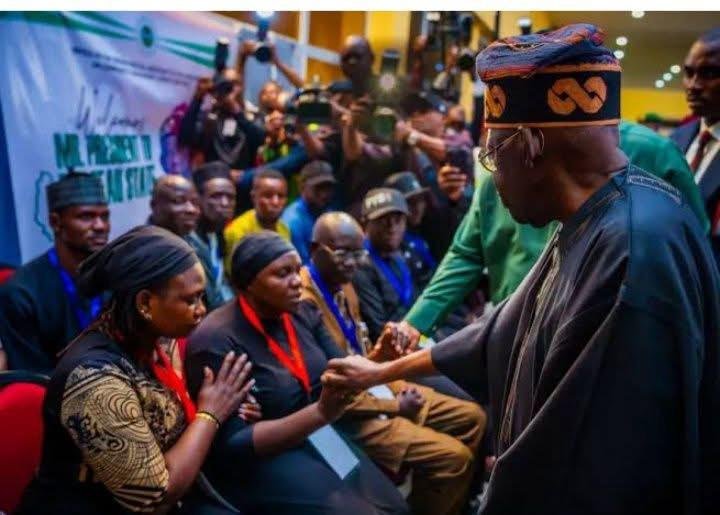 |
The President highlighted the importance of inclusive dialogue and community engagement in resolving the long-standing conflict in Plateau. He reiterated that sustainable peace cannot be imposed but must be built through collaboration with local stakeholders. By inviting community leaders to Abuja for further discussions, he signalled a commitment to addressing the root causes of the crisis through consultation, reconciliation, and mutual understanding.
 |
 |
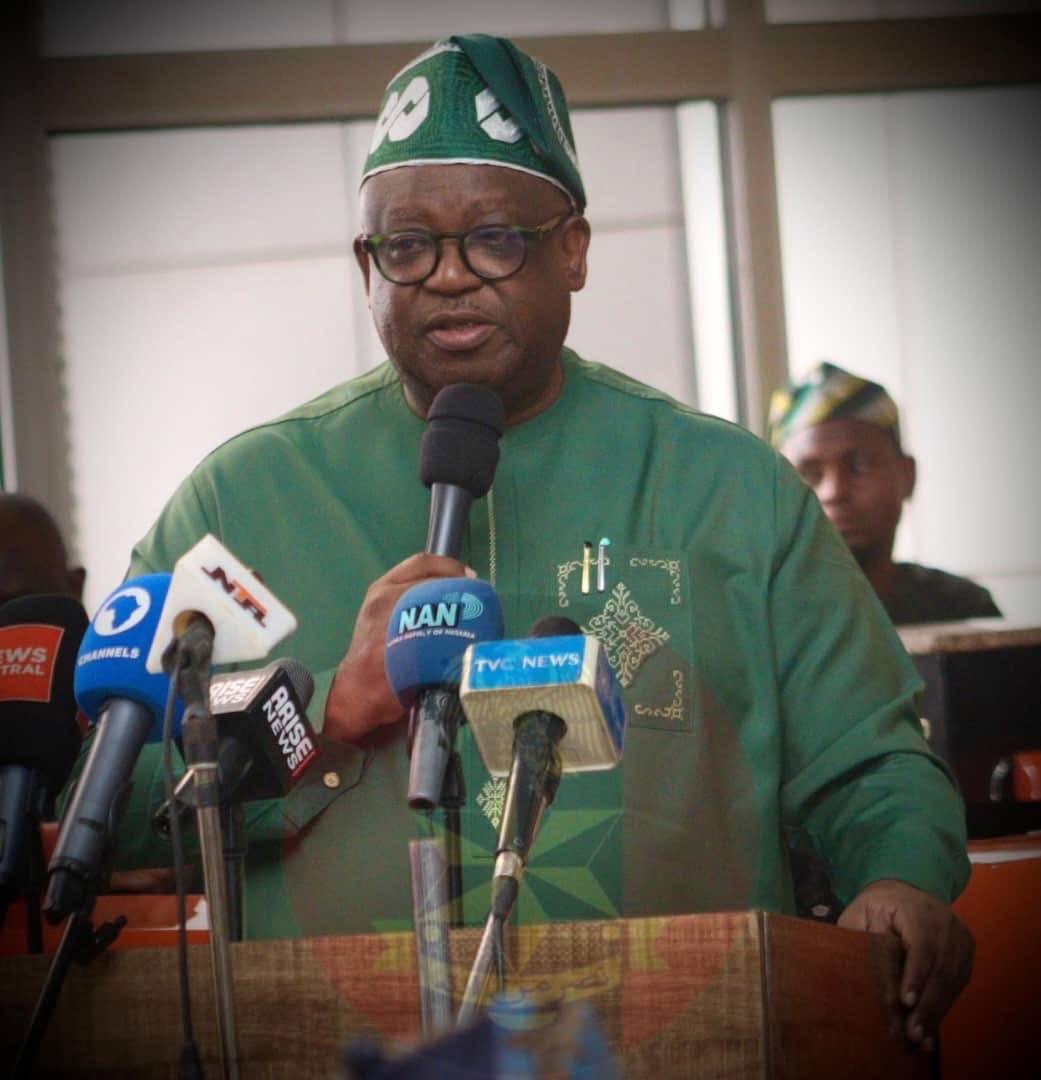
The President Tinubu outlined concrete security measures to stabilise the state, including the planned deployment of 5,000 AI-enabled surveillance cameras across Jos. This initiative, alongside ongoing military and police operations, is expected at strengthening intelligence gathering, improving response capabilities, and deterring future attacks.
Zagazola Makama is a counter-insurgency expert and security analyst in the Lake Chad region.