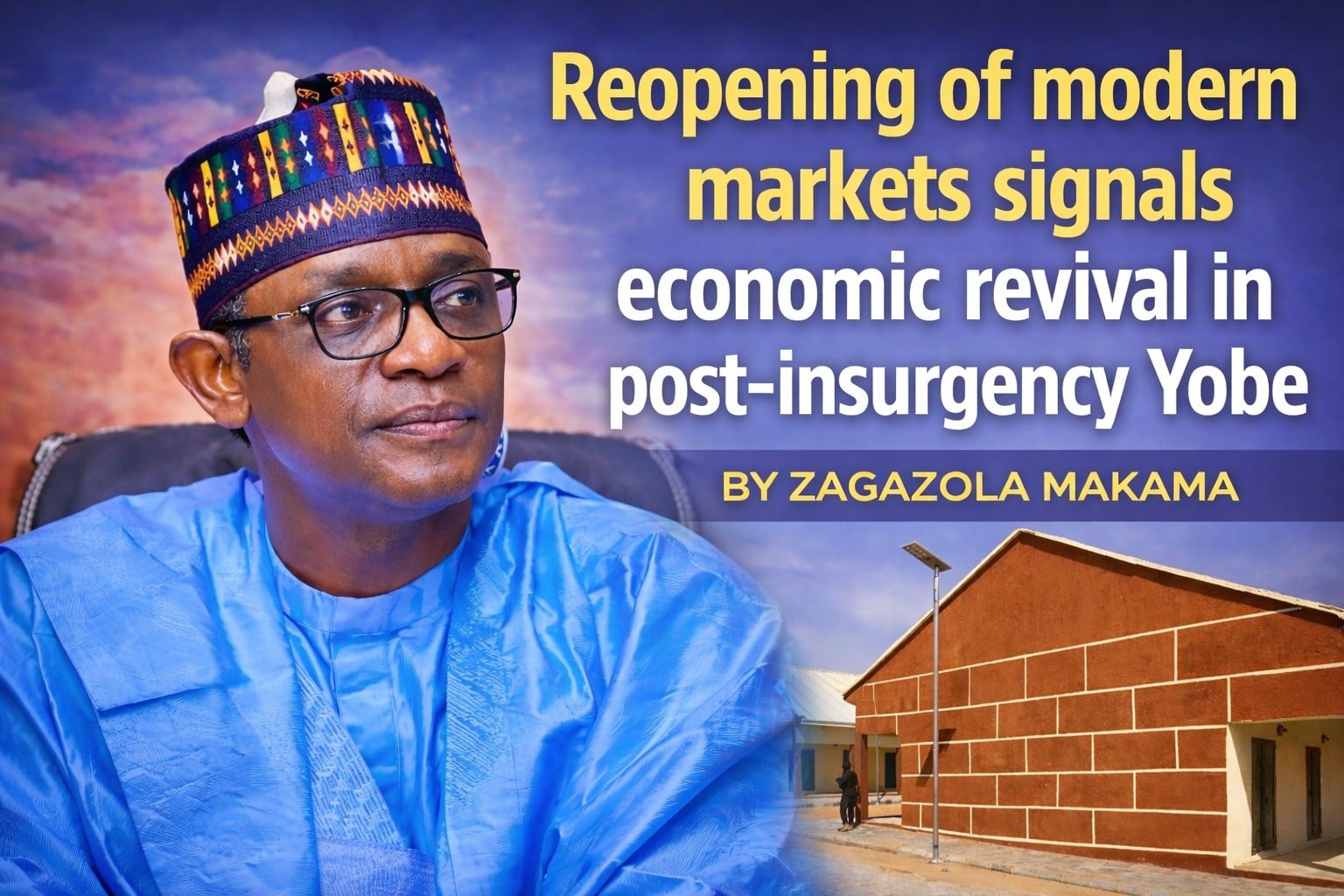
Reopening of modern markets signals economic revival in post-insurgency Yobe
By: Zagazola Makama
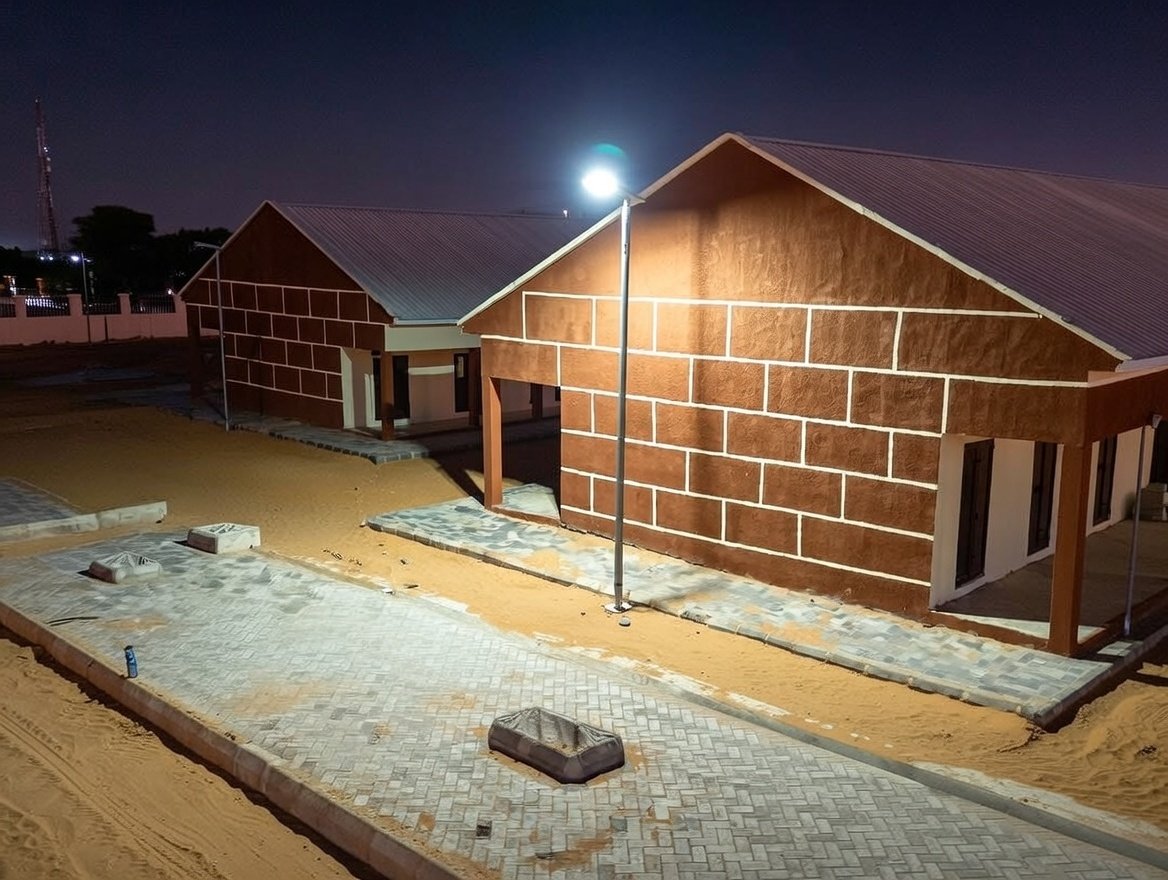
The reopening of modern markets across Yobe State is emerging as one of the most visible indicators of economic recovery in Nigeria’s North-East, underscoring how post-conflict reconstruction is gradually shifting from humanitarian dependence to livelihood restoration and market-driven growth.
For more than a decade, Boko Haram and ISWAP insurgencies disrupted commercial life in Yobe, forcing the closure of major markets and crippling agriculture, livestock trading and cross-border commerce. Entire communities were cut off from economic activity, unemployment soared, and food insecurity deepened as residents became increasingly reliant on aid.
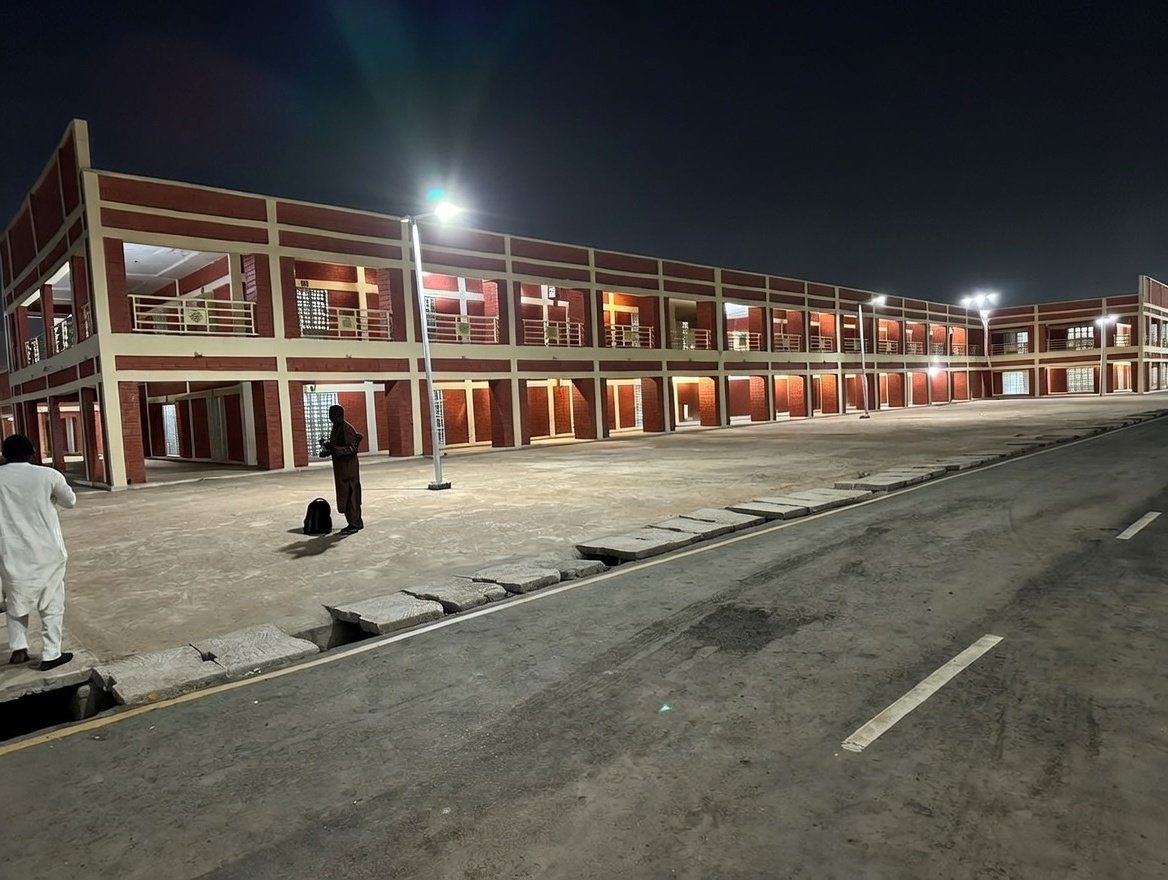
Against this backdrop, the revival of structured, government-built markets marks a strategic turning point. Beyond bricks and mortar, the reopened markets are restoring confidence, dignity and self-reliance among traders and farming households whose livelihoods were once defined by daily uncertainty.
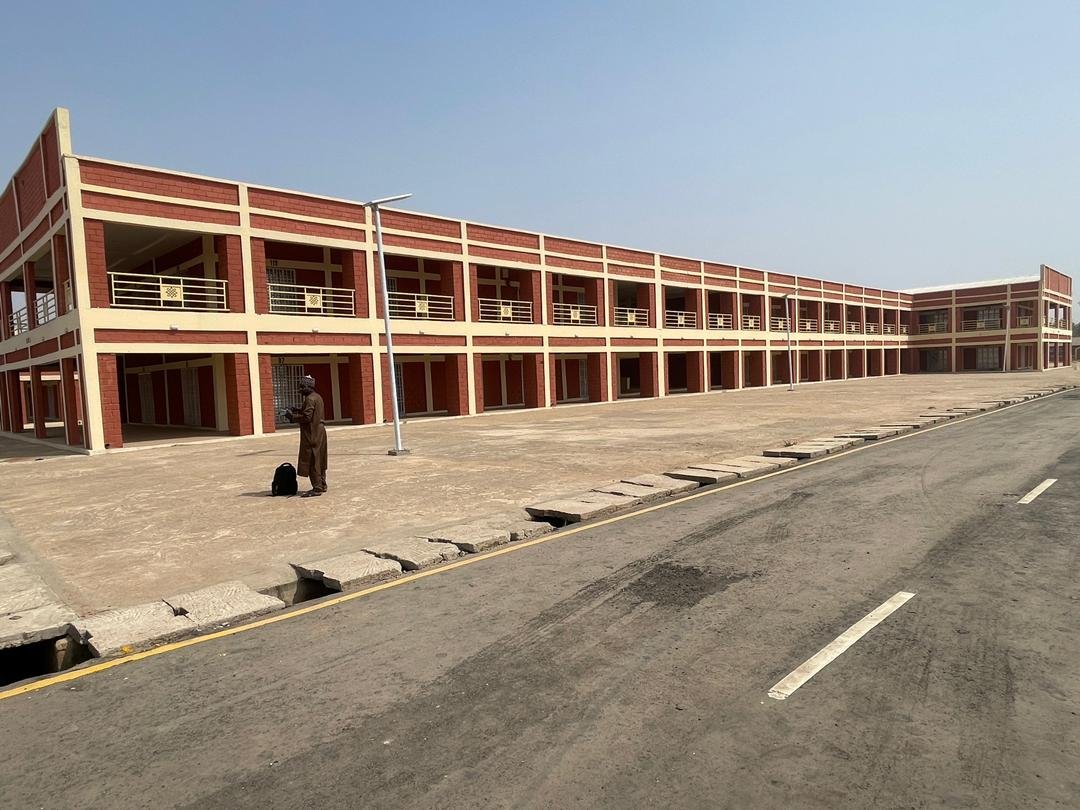
In Yunusari Local Government Area, trader Shehu Malam Isa described the new market as transformational, noting that it replaces an overcrowded and insecure open space that could no longer support the volume of trade in the area. For Isa and thousands like him, the modern facility is not merely an upgrade, but a reactivation of economic identity long suppressed by conflict.
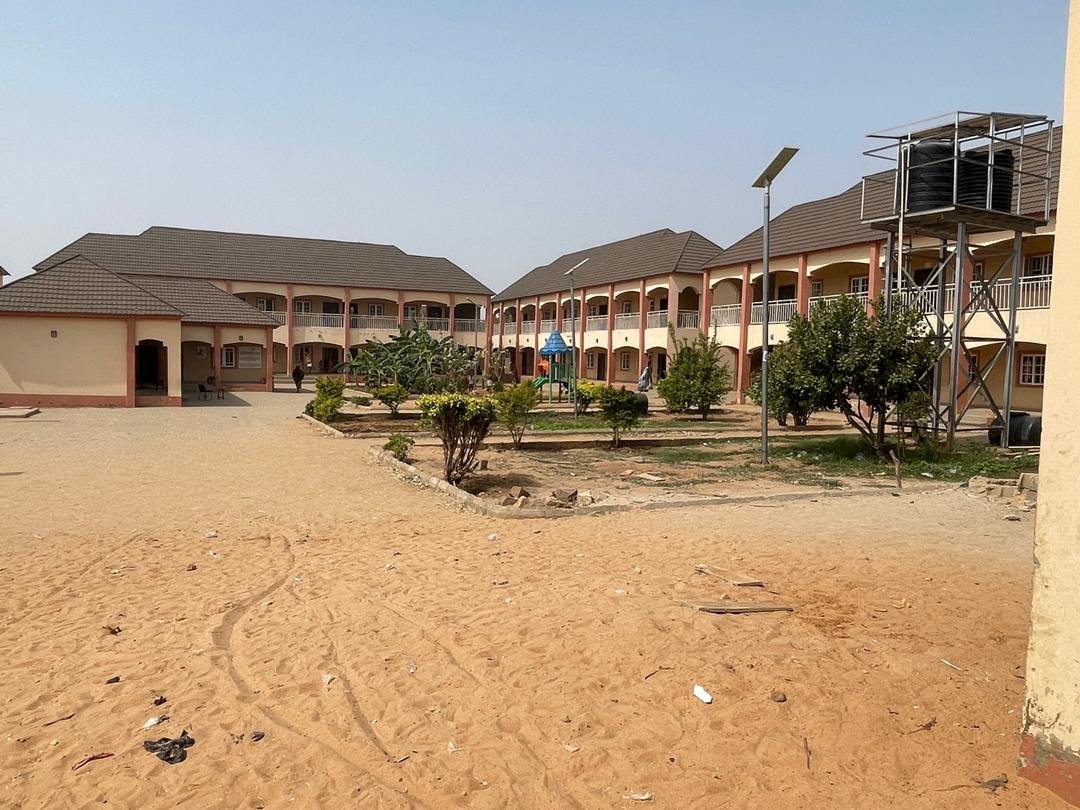
“This market will benefit everyone, not just traders,” Isa said, pointing to improved security, comfort and business opportunities. His optimism also reflects the market’s regional relevance. Yunusari’s proximity to Niger has historically positioned it as a hub for livestock and grain trade, a role badly disrupted during the insurgency years. The reopening of the market is now helping to revive cross-border commerce, particularly in millet, guinea corn and livestock exchange.
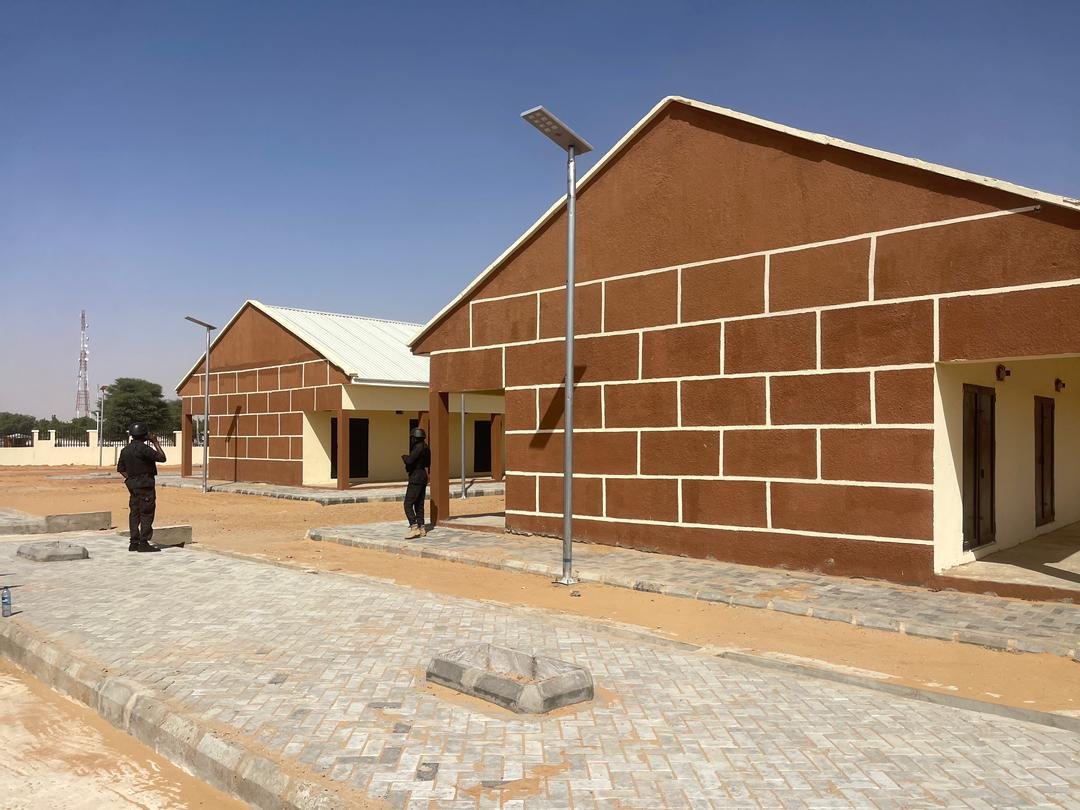
Community leaders see similar long-term benefits. Mallam Baba Goni, speaking for residents, described the market as a response to a demand that had lingered for decades. In economic terms, such infrastructure reduces transaction costs, shortens supply chains and creates direct and indirect employment — from traders and transporters to artisans and service providers.
The broader economic implications are equally significant. With markets now operational in both urban and rural areas, residents are less compelled to travel long distances to access goods and services. This not only saves costs but also keeps value circulating within local economies, strengthening resilience at the grassroots.
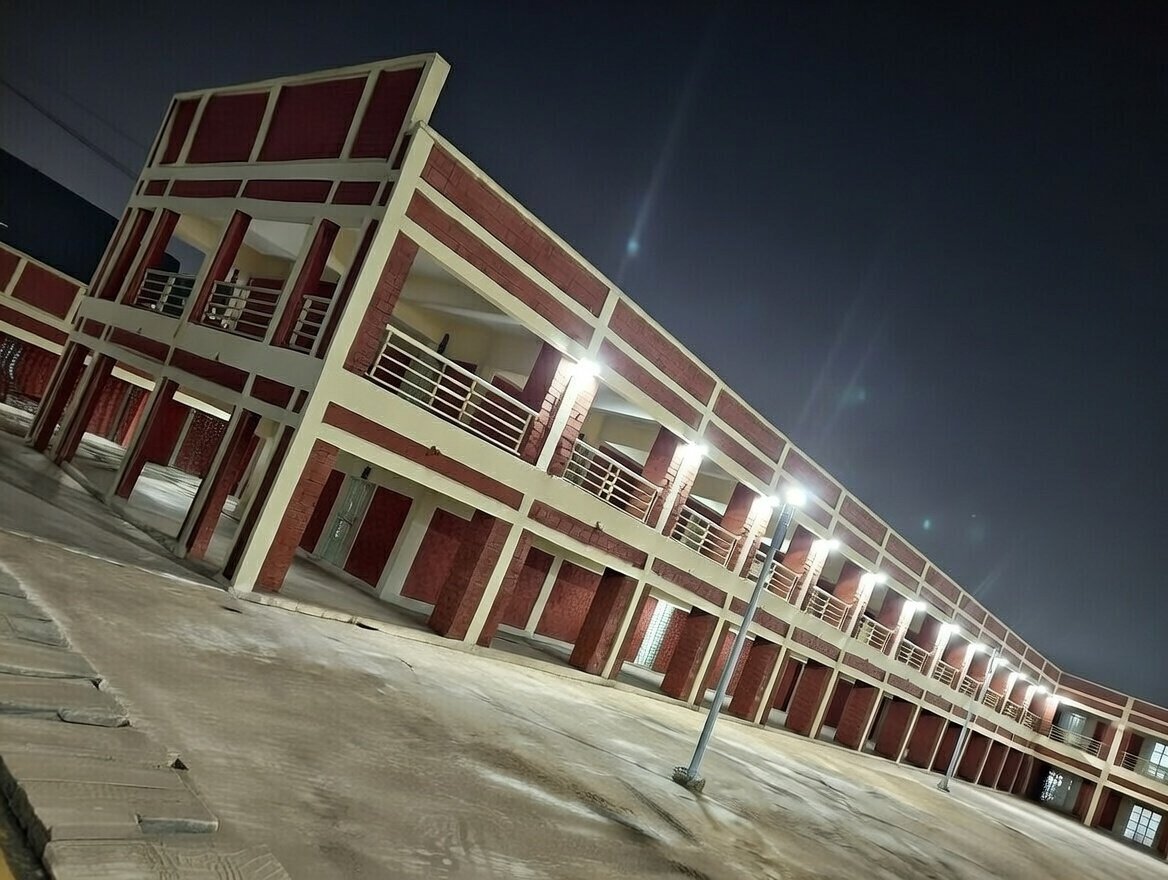
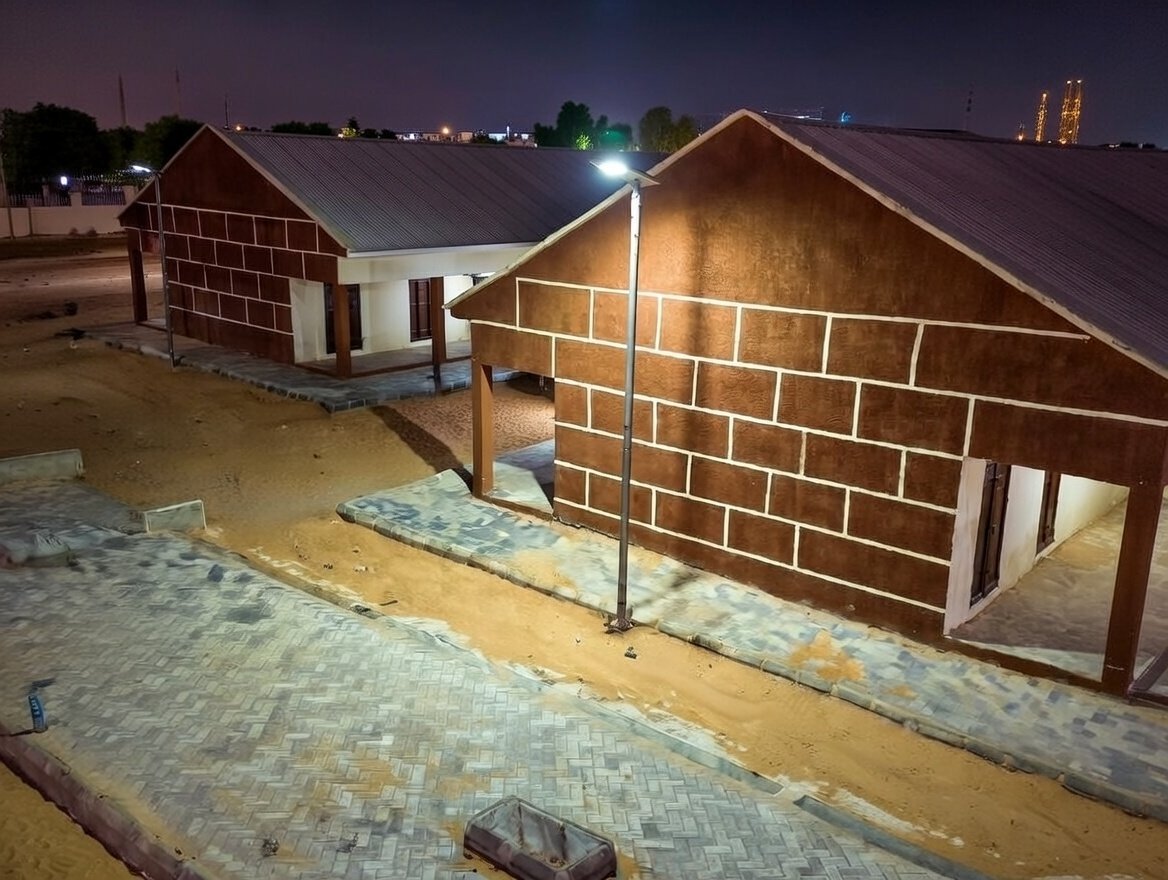
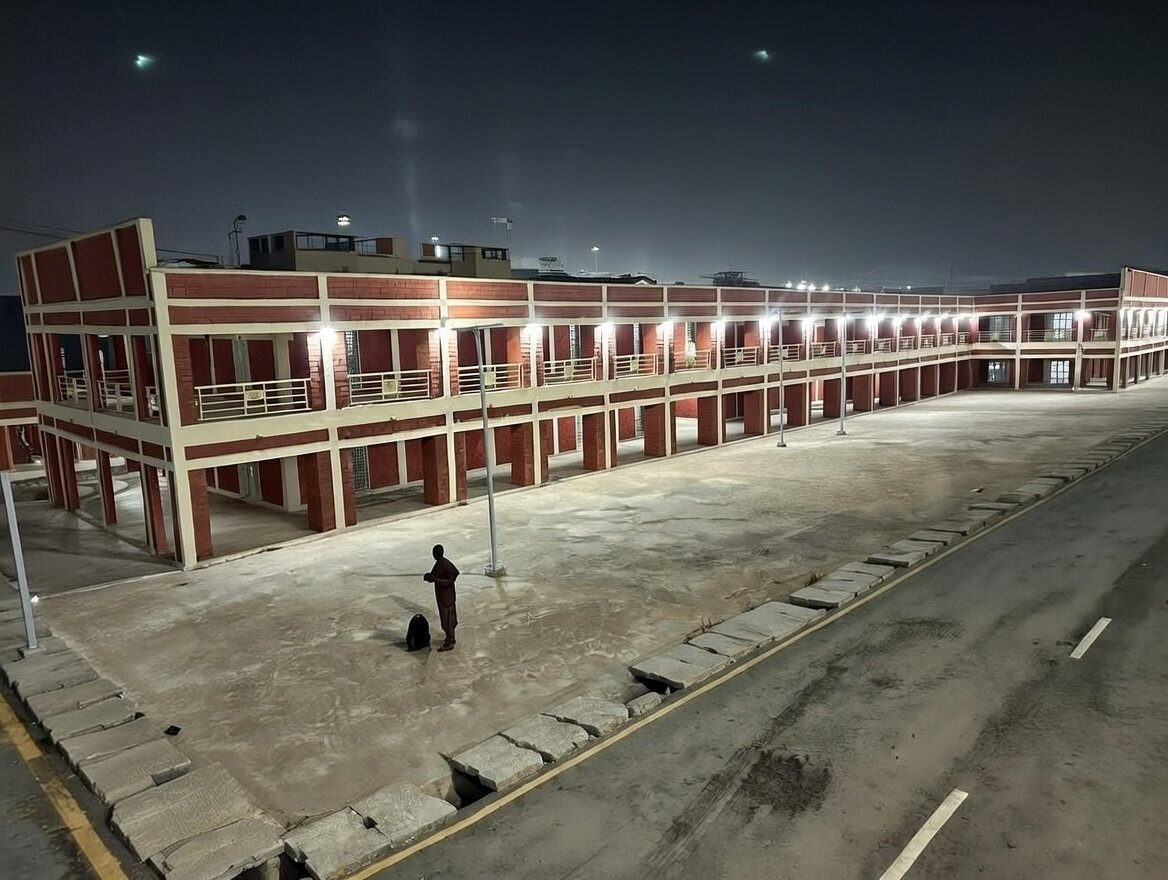
From a policy perspective, the markets form part of Governor Mai Mala Buni’s post-conflict recovery framework, which prioritises infrastructure as a catalyst for stability. According to the Commissioner for Housing and Urban Development, Architect Ahmed Buba Kyari, nine markets have been established across the state, five of them ultra-modern facilities in Damaturu, Potiskum, Gashua, Nguru and Geidam, with others located in Ngalda, Yunusari, Machina and Buni Yadi.

Equipped with shops, abattoirs, offices and large parking spaces, the markets are designed to support high-volume trade and accommodate hundreds of vehicles, positioning Yobe to compete more effectively within regional agricultural and livestock value chains.
The economic logic extends beyond local consumption. Commissioner for Home Affairs, Hon. Abdullahi Bego, noted that the markets are expected to boost internally generated revenue and strengthen Yobe’s participation in cross-border trade with Chad, Cameroon and Niger. In a state seeking to rebuild fiscal capacity after years of conflict-induced dependency, such diversification is critical.
Equally important is the emphasis on community ownership. Local leaders have pledged to safeguard and maintain the facilities, a commitment that reflects lessons learned from post-conflict reconstruction elsewhere — that infrastructure endures only when communities see it as their own.
While security challenges have not entirely disappeared, the reopening of markets suggests a recalibration of normalcy in Yobe. Economic activity, once a casualty of war, is again becoming a tool for peacebuilding, social cohesion and long-term stability.
In this sense, the modern markets represent more than commercial centres. They are symbols of recovery, signaling that Yobe is steadily transitioning from survival to growth, and from humanitarian relief to sustainable development anchored in productive livelihoods.