Wellfare, jointness and reform: Shaibu charts new course for Nigerian Army at 2025 COAS conference
By Zagazola Makama
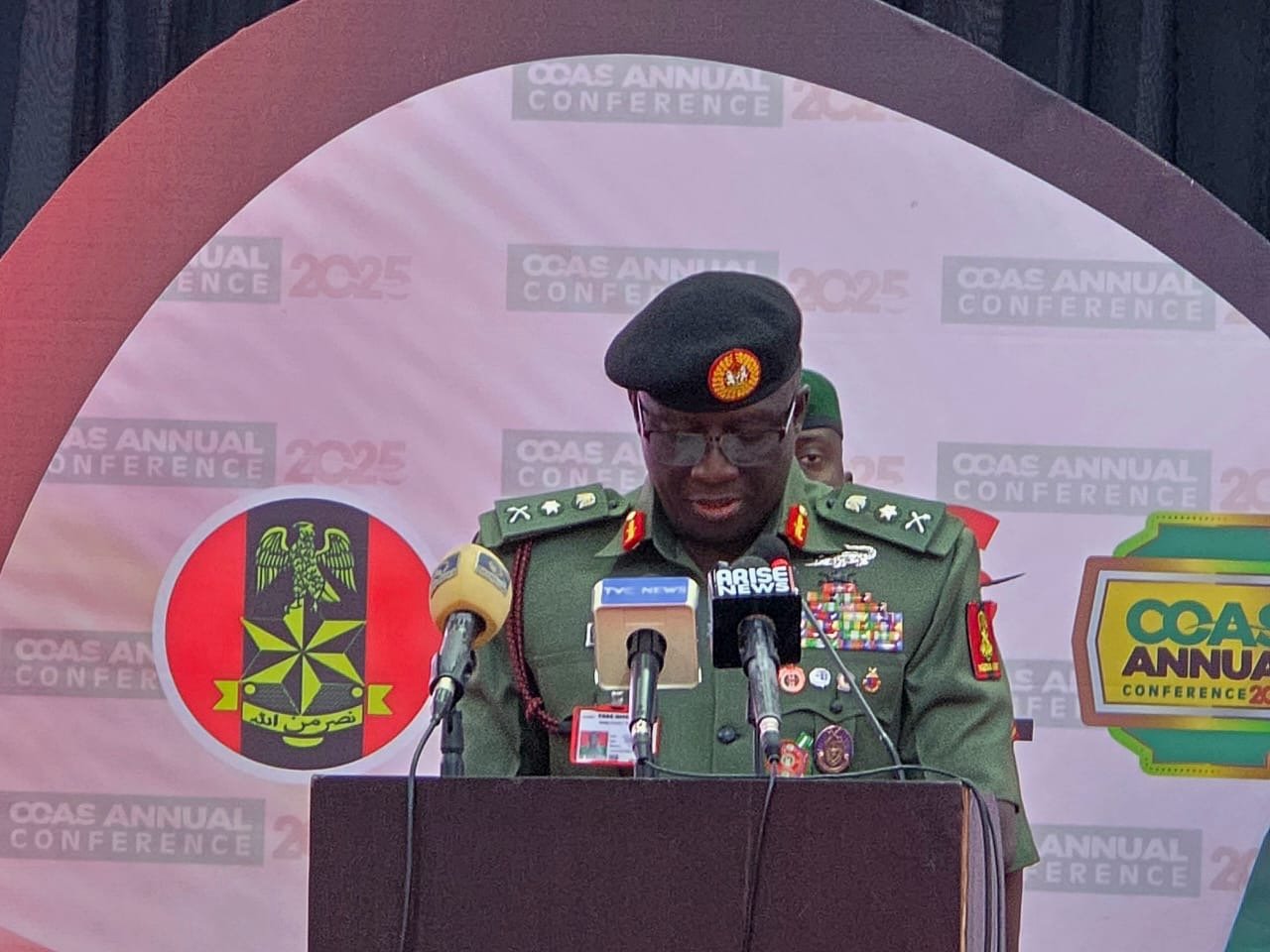
The tone was deliberate, the message unambiguous. As senior military commanders, political leaders, traditional rulers and security chiefs gathered at the Naval Hall, Abalti Barracks, Lagos, the Chief of Army Staff (COAS), Lt.-Gen. Waidi Shaibu, used the opening of the 2025 COAS Annual Conference to signal a defining moment for the Nigerian Army.
It was his first annual conference since assuming office on Oct. 24, 2025, and Shaibu made it clear that the Nigerian Army under his leadership would be anchored on three pillars: personnel welfare, operational jointness and institutional reform.
“The strength of the Nigerian Army lies in its soldiers,” Shaibu declared, setting the tone for a wide-ranging address that blended operational review, policy direction and strategic vision.
Central to Shaibu’s message was the primacy of welfare, morale and family support for officers and soldiers. He reaffirmed the sustenance of existing welfare packages, including soft loans, subsidised home ownership under the Army’s affordable housing scheme, free welfare flights for troops deployed to difficult terrains, and the continued payment of benefits under the Nigerian Army President’s Insurance Scheme.
For Shaibu, these initiatives are not incentives but necessities. “Our drive is to place the soldier and his family at the centre of everything we do,” he said, pledging continued support for families of fallen heroes and personnel injured in the line of duty.
The COAS also signalled his intention to deepen what he described as a “soldier-based culture,” arguing that operational effectiveness is inseparable from morale, dignity and institutional care.
The annual conference, held at the end of every year, serves as a strategic mirror for the Nigerian Army. Shaibu described it as an opportunity for honest reflection on readiness, performance and emerging threats.
The theme of the conference “Examining the Contemporary Landscape of Terrorism Through Diplomatic and Military Action: Strategies for Long-Term Prevention and Stabilisation” reflects what Shaibu called the need for a holistic approach to modern conflict.
In line with President Bola Ahmed Tinubu’s strategic directives, he unveiled his command philosophy aimed at transforming the Army into a more professional, adaptable, combat-ready and resilient force capable of operating effectively in joint and multi-agency environments.
“Every officer and soldier is a stakeholder in this transformation,” he said, expressing confidence that the impact of the reforms would soon be felt across the ranks.
Shaibu was emphatic in acknowledging the role of political leadership in sustaining military effectiveness.
He thanked President Tinubu, represented at the event by Vice-President Kashim Shettima, for what he described as “profound and far-reaching support” to the Army, spanning operations, modernisation and institutional development.
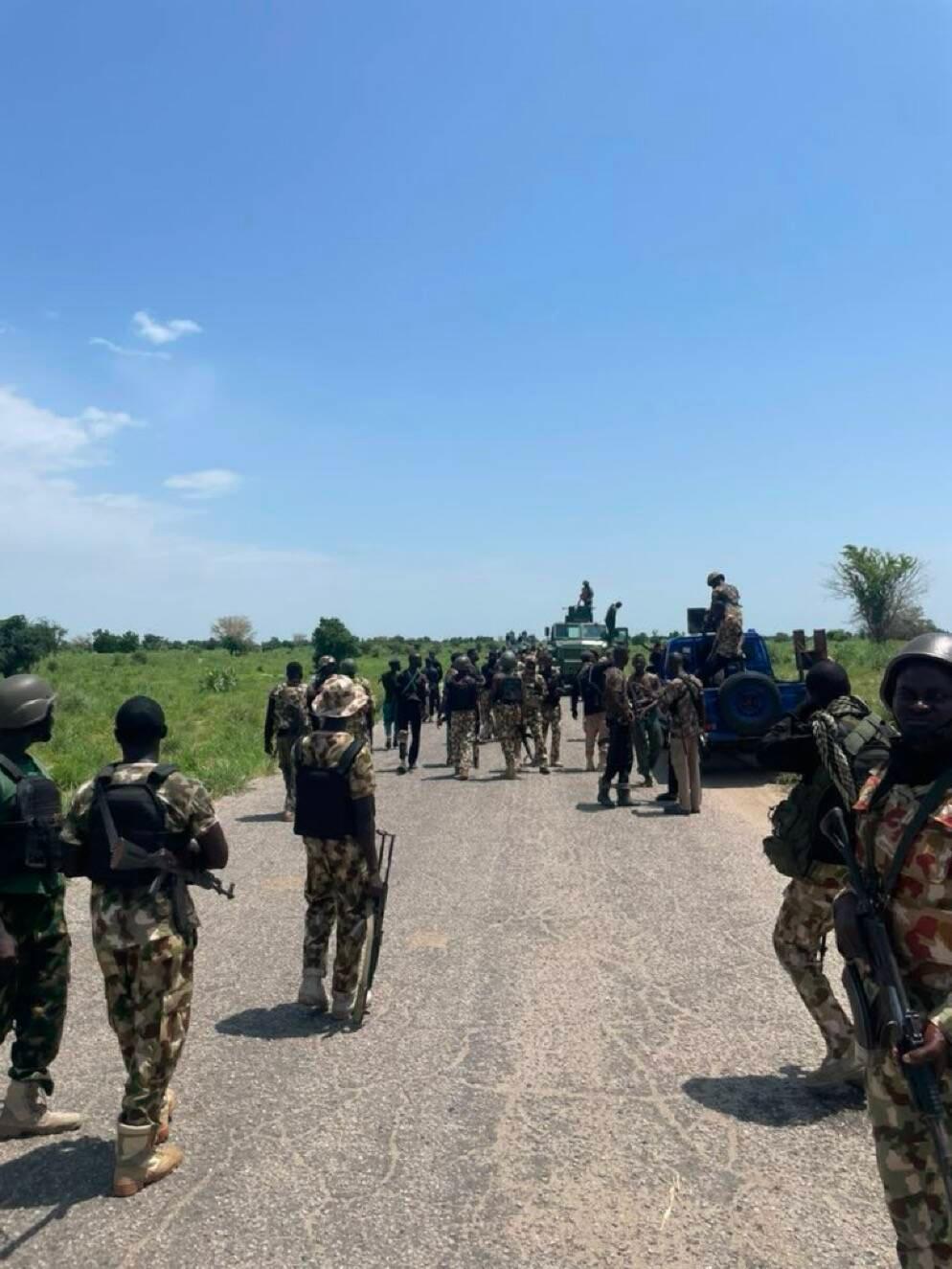
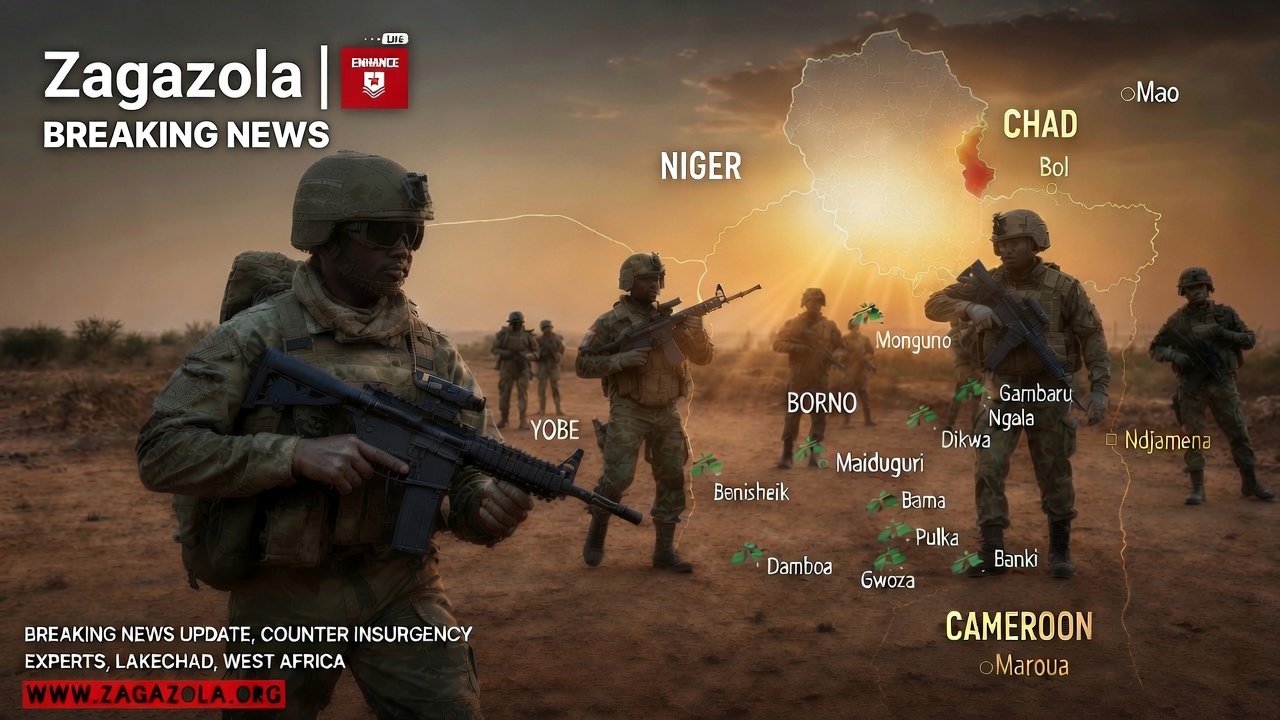
Operationally, the COAS painted a picture of an Army engaged on multiple fronts but steadily gaining ground. In the North-East, he said terrorism had been largely contained, with sustained operations degrading insurgent capabilities and denying them freedom of action. In the North-West and North-Central, intensified offensives against banditry, arms smuggling and organised crime have yielded “significant and measurable results.”
Shaibu said the Army, in collaboration with sister services and intelligence agencies, was also intensifying operations against secessionist threats in the South-East and curbing oil theft and economic sabotage in the South-South efforts he noted have contributed to increased daily crude oil production.
Beyond Nigeria’s borders, he highlighted the Army’s continued participation in multinational joint task forces and regional initiatives aimed at countering terrorism, stabilising fragile states and safeguarding democracy in the sub-region.
Shaibu attributed many of the Army’s recent gains to improved equipment and logistics. Under President Tinubu’s watch, he said, the Army has taken delivery of aerial and ground combat platforms deployed across key theatres to boost mobility and firepower.
He also pointed to the Defence Industries Corporation of Nigeria Act, 2023, as a turning point for indigenous military capability. The Act, he said, has strengthened the Army’s repair and maintenance capacity, enabling major overhauls of more than 100 armoured fighting vehicles.
On manpower, Shaibu described the recent expansion of training infrastructure as historic. With new depots established in the northern, western and eastern parts of the country, the Nigerian Army now operates three recruit depots nationwide, a first since the pre-colonial era.
He urged participants to engage in robust, forward-looking discussions, stressing that kinetic operations alone are insufficient in an era of evolving threats, information warfare and regional instability.
The conference, he said, would also serve as a platform for him to personally communicate expectations and directives to Army personnel.
As part of the opening ceremony, Shaibu announced the unveiling of the biography of a late former Chief of Army Staff, Lt.-Gen. Toareed Abiodun Lagbaja, describing him as a benchmark of military professionalism whose legacy should inspire future generations.
He concluded by commending officers and soldiers for their sacrifices and dedication, while reiterating the Army’s loyalty to the President and Commander-in-Chief, President Bola Ahmed Tinubu.