Faskari attack exposes futility of peace deals with bandits, over 20 killed despite amnesty
By: Zagazola Makama
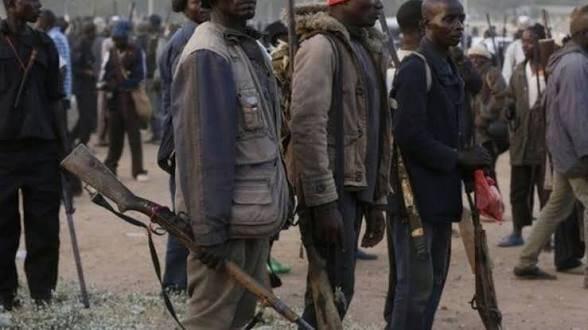
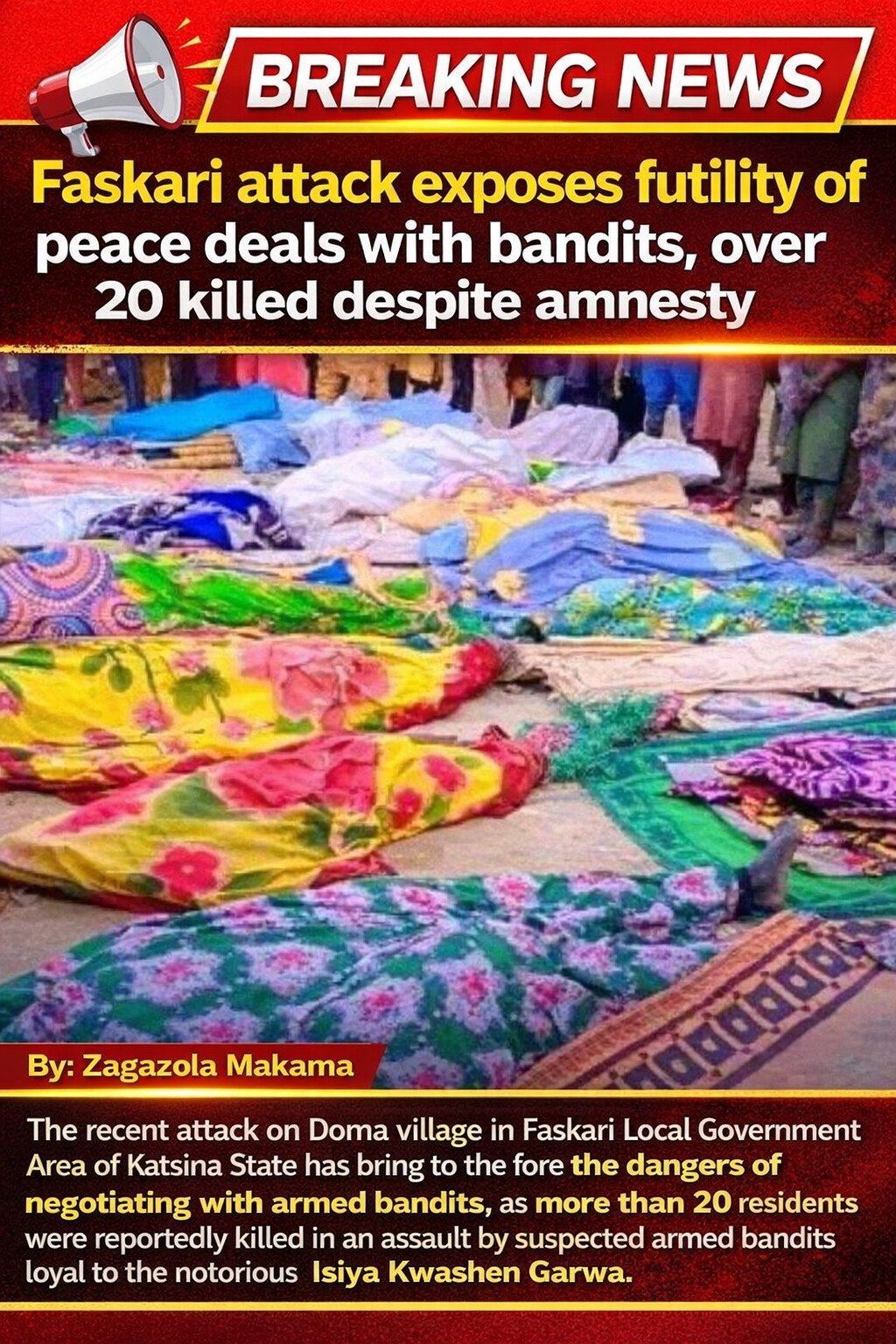
The recent attack on Doma village in Faskari Local Government Area of Katsina State has bring to the fore the dangers of negotiating with armed bandits, as more than 20 residents were reportedly killed in an assault by suspected armed bandits loyal to the notorious Isiya Kwashen Garwa.
Police confirmed that 13 persons were killed during the attack on February 3, 2026, while local government sources, including Bala Ado, Chairman of Faskari LGA, put the figure at over 20 fatalities, with many others injured and properties destroyed. The bandits reportedly set houses and a Golf 3 vehicle ablaze during the assault.
The attack is being seen as a betrayal of the peace accord previously entered into between the local government and the bandits under the federal amnesty programme. According to officials, the LGA chairman had visited the bandits’ enclaves more than three times and allocated funds to “repentant” bandits in exchange for promises of peace. However, five months after the agreement, the bandits struck again, killing innocent civilians, undermining efforts to restore security in the region.
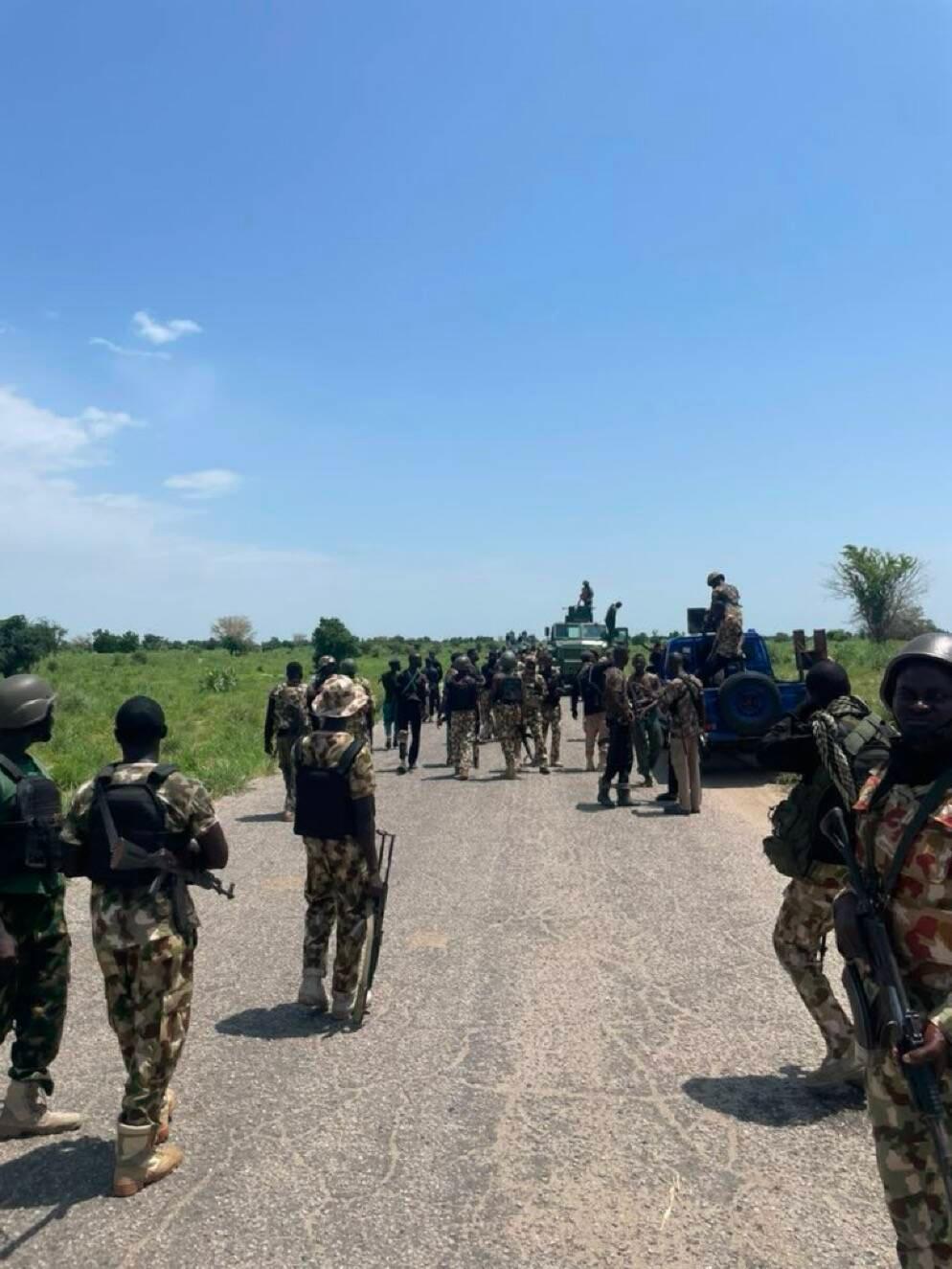
Army troops of Operation FANSAN YANMA, police, and Civilian Watch patrols responded swiftly, and major escape routes were blocked to pursue the fleeing culprits. The Nigeria Air Force also played a key role in neutralising 27 armed bandits, but the human cost of the attack remains significant.
The incident reignites national debates on the efficacy of peace deals with bandits, particularly in the northwest.
Nigeria’s Minister of Defence, Gen. Christopher Musa (retd.), had in a recent interview warned state governments against negotiating with or offering amnesty to bandits, stressing that such deals jeopardize national security, strengthen criminal networks, and undermine military operations.
Musa reiterated the federal government’s stance of “no ransom, no dialogue, no legitimising terrorists”, urging governors and citizens to cooperate with security agencies.
Katsina State itself has faced criticism for releasing 70 suspected bandits under an amnesty programme, which officials defended as part of a broader peace strategy aimed at consolidating community accords. According to the state Commissioner for Internal Security and Home Affairs, Dr. Nasir Muazu, the peace deal involved at least 15 LGAs and had seen repentant bandits release about 1,000 abducted persons. The release of suspects, he said, was akin to prisoner exchanges during wartime and intended to maintain the accord.
However, critics argue that the Doma attack proves such arrangements embolden criminal networks, endanger lives, and deny justice to victims. Legal documents reviewed by media outlets show that the Ministry of Justice had requested the release of 70 suspects from various courts to facilitate the peace deal, sparking public outrage over the potential consequences of freeing individuals accused of violent crimes.
It was noted that bandits often use amnesty programmes to regroup, rearm, and continue attacks, as evidenced by the Doma assault. In some cases they traveled out of the states and attack somewhere, reasons why attacks had resurfaced in Kano state corridors.
The attack has raised renewed calls for strict enforcement of the rule of law, increased intelligence-driven operations, and military-led containment of bandit enclaves, rather than negotiated settlements.
The Faskari LGA chairman has confirmed he is coordinating with security agencies to assess the situation and pursue the bandits responsible for the attack. Meanwhile, the victims’ bodies have been taken to Medical Health Center Faskari, where they were certified deceased and were buried according to Islamic rites.