Mali Protests Saudi Media Reports, Accuses Journalists of Sowing Disinformation
By: Zagazola Makama
The Government of Mali has lodged a formal diplomatic protest with the Kingdom of Saudi Arabia over recent media reports concerning the security situation in northern Mali, particularly around the Kidal region.
The protest follows broadcasts by Saudi-based media outlets Al Arabiya and Al Hadath, which Bamako described as misleading and damaging to the image of the Malian Armed Forces (FAMa).
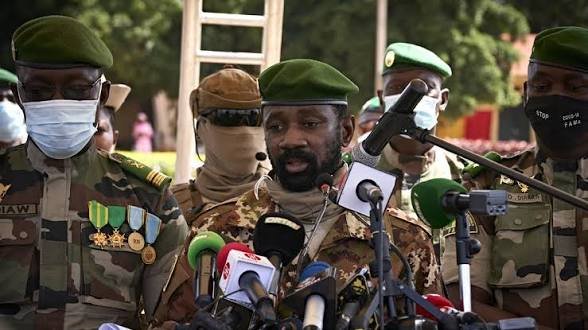
In a statement issued by the Ministry of Foreign Affairs on May 17, 2026, the Malian authorities accused journalist Ibrahim Moustapha, correspondent for the two networks, of entering the country “illegally” and operating in “flagrant violation of Mali’s sovereignty.”
The government further alleged that the journalist may have had links with armed groups operating in the region, an accusation the authorities extended to the content of the reports aired by the networks, which Bamako described as “false, unfounded and aimed at undermining national institutions.”
The reports in question reportedly focused on security developments in northern Mali, including the Kidal axis, an area where state authority has faced persistent challenges from armed groups.
The diplomatic note also warned that such reporting could strain relations between Mali and Saudi Arabia, a country Bamako described as a “long-standing friend and partner.”
The development comes amid ongoing debate over press freedom and media access in Mali, where international organisations have repeatedly raised concerns about restrictions on journalists and shrinking civic space under the transitional authorities.
Observers note that Mali has in recent years tightened oversight of media operations through regulatory bodies, including suspensions of outlets and prosecutions linked to alleged dissemination of false information.
Bamako’s action has renewed discussion on the role of journalists in conflict zones, with media rights advocates maintaining that independent reporting remains a core element of international humanitarian law, provided journalists do not take part in hostilities.
Tensions reportedly escalated further after Al Arabiya broadcast footage showing Malian soldiers allegedly held captive in the north, a development the government also condemned as an infringement on national sovereignty.
While the Malian authorities maintain that media coverage must respect territorial integrity and security sensitivities, press freedom advocates argue that conflict reporting does not necessarily require prior authorisation from parties to a conflict.
The situation has raised concerns over possible diplomatic friction between Bamako and Riyadh, although no official response has yet been issued by the Saudi authorities or the media organisations involved.
Any prolonged disagreement could carry broader diplomatic and economic implications for Mali, which continues to navigate complex security and international relations challenges in the Sahel region.