Killings, Counter-Attacks Rock Plateau Communities Amid Intensified Troop Operations
By: Zagazola Makama
Security forces in Plateau have intensified operations across several flashpoints following renewed attacks, reprisals, kidnappings and armed confrontations that left several persons dead and heightened tension in parts of the state.
Findings by Zagazola Makama indicated that the latest disturbances were recorded in Barkin Ladi, Mangu, Riyom, Jos South and other adjoining local government areas, where troops of Operation Enduring Peace (OPEP) have continued clearance operations, rescue missions and deployment of rapid response teams to contain the deteriorating security situation.
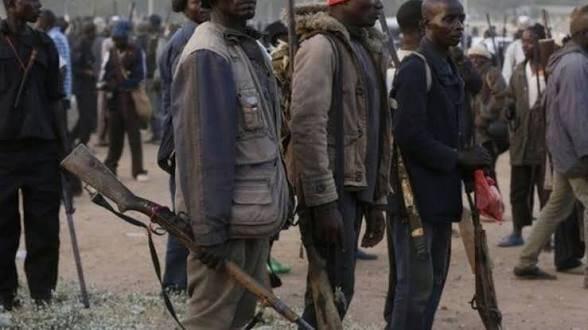
Military sources disclosed that on May 6, at about 2:30 p.m., a group of Berom militia mobilised for a reprisal attack on Jong, a predominantly Fulani community in Barkin Ladi Local Government Area.
The mobilisation followed the killing of six locals and injuring of three others by suspected Fulani bandits during an earlier attack on Nding Sesut community on May 5 at about 7:00 p.m.
According to the sources, the reprisal attempt led to an exchange of gunfire between both armed groups before troops of Sector 4 swiftly intervened and dominated the area to prevent escalation.
“The troops responded immediately and succeeded in de-escalating the confrontation. Headquarters OPEP also dispatched a Quick Reaction Force to reinforce troops on ground and foil further reprisals,” the source said.
The sources added that although no life was lost during the confrontation between the rival groups, the area remained tense but under close monitoring by security forces.
Security assessments further revealed that the latest incidents were linked to unresolved grievances involving isolated attacks, cattle rustling, poisoning of livestock, destruction of farmlands and retaliatory assaults among the Berom and Fulani communities in the area.
“From April till date, at least scores have been killed in the tit for tat attacks while about 200 cattle were either poisoned, killed or rustled.
Previous reports by Zagazola Makama in Plateau have documented several incidents involving attacks on Fulani communities, cattle rustling, livestock poisoning and destruction of pastoral livelihoods, by Berom Militia particularly in Barkin Ladi, Riyom, Mangu, Bokkos and Bassa local government areas.
Similarly, reprisal attacks involving Fulani bandits or armed herders in Plateau State have been recorded in several local government areas, particularly Barkin Ladi, Riyom, Mangu and Bokkos, resulting in killings.
One of the most prominent cases was reported on April 24, 2026, when troops of Operation Enduring Peace arrested three suspected Berom militia members and recovered 84 rustled cattle following an attack on Fulani pastoralists in Riyom LGA. The troops tracked the stolen livestock to a riverine area and returned the cattle to their owners.
In another related report published the same day, two hunters were killed in Riyom only hours after armed youths allegedly attacked Fulani herders and rustled cattle in the area. On April 13, troops reportedly foiled an attempt by suspected Irigwe youths to rustle cattle in Bassa LGA and recovered 92 cattle abandoned by fleeing suspects.
Similarly, on April 15 and April 16, troops responded to separate cattle rustling incidents in Barkin Ladi and Mangu LGAs, recovering livestock and launching manhunts for suspects linked to attacks on pastoral communities.
There were also reports involving poisoning of livestock. Report further indicated that tensions further escalated in Barkin Ladi after nine cattle belonging to Fulani herders were allegedly poisoned, an incident believed to have contributed to retaliatory attacks in surrounding communities.
The renewed hostilities came amid a string of violent incidents recorded across Plateau within the week.
On May 5, troops of Sector 8 OPEP stationed at Gyambwas responded to reports of the killing of two locals around Kikyua village in Mangu Local Government Area. Although no contact was made with the attackers, troops recovered the corpses and handed them over to community leaders.
Within the period, a pastor, his wive and daughter were killed in another reprisal attack, following attack on fulani.
Earlier, three civilians were reportedly killed near Fan Loo in Barkin Ladi when suspected armed fulani elements ambushed travellers riding motorcycles along a rural route. Troops deployed to the area later evacuated the victims and launched follow-up operations in surrounding communities.
The state also witnessed several kidnapping incidents within the period. At about 9:30 p.m. on May 5, troops of Sector 1 OPEP deployed at Lamingo, in collaboration with the police, responded to the abduction of three children at Guratop area in Jos South Local Government Area. Troops trailed the kidnappers through withdrawal routes, but no arrest was made.
Similarly, at about 4:00 a.m. on May 5, troops at Gyambwas responded to the abduction of a civilian near Kurra community close to Jokko high ground in Barkin Ladi. Search and rescue operations were conducted, while efforts to track down the kidnappers continued.
In another incident, troops at Latya foiled an attempted kidnap at Dura Junction in Jos South at about 1:10 a.m. on May 6. The prompt response of troops forced the assailants to flee, while the victim was rescued unhurt.
Security operations also led to the arrest of five Berom militia linked to recent attacks and the burning of excavators at Sabon Gida in Jos South. The suspects are currently in military custody undergoing investigation.
On May 5, troops of Sector 6 OPEP deployed at Rim in Riyom Local Government Area repelled sporadic attacks by unidentified gunmen who opened fire toward their location. The troops returned fire, forcing the attackers to retreat.
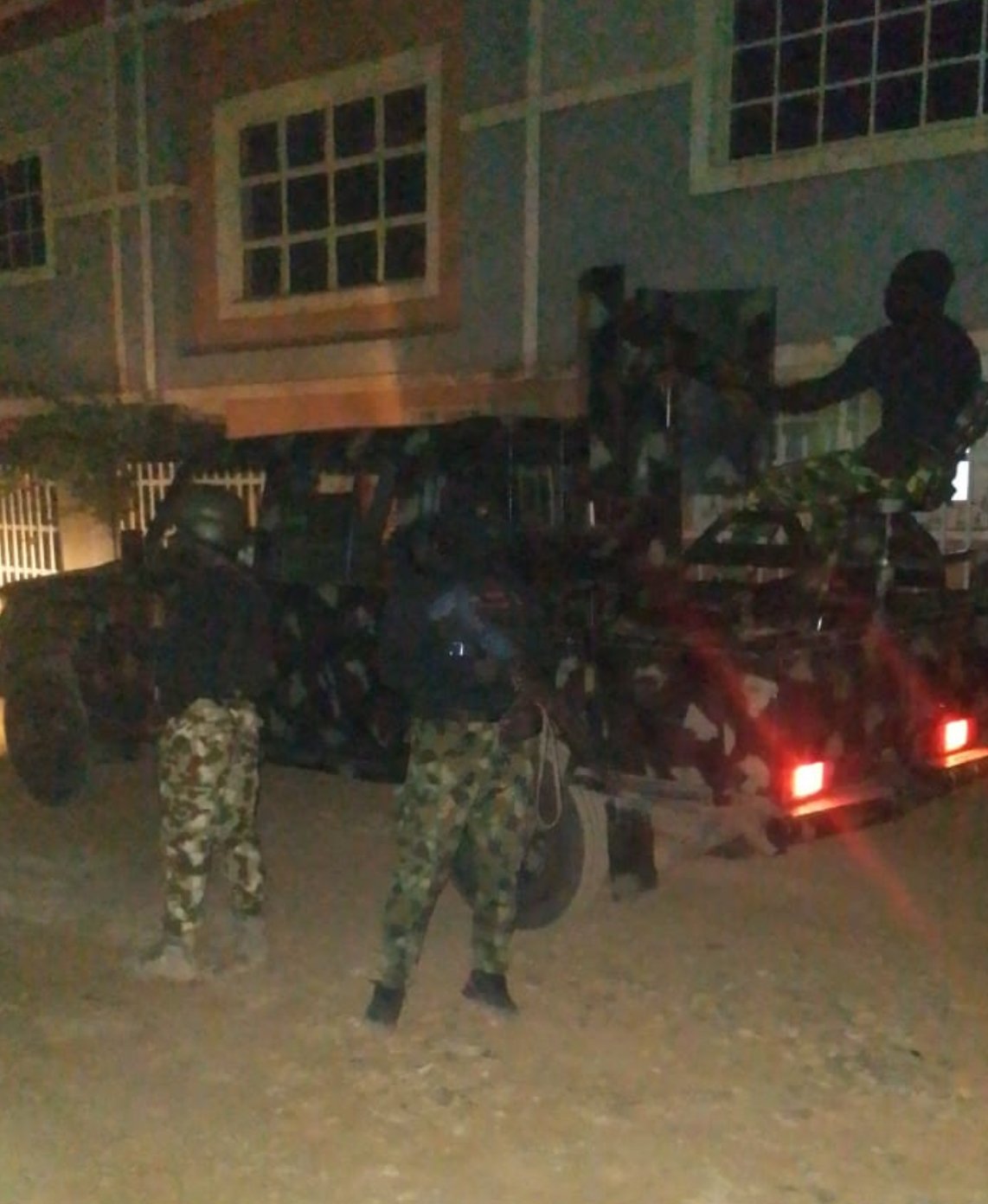
Military authorities said additional operations had been intensified in volatile communities, including cordon-and-search missions, patrols and intelligence-driven operations aimed at preventing further attacks.
The latest security concerns also followed unrest earlier recorded in Sabon Gari area of Mangu Local Government Area during clashes linked to tensions around illegal mining activities. Security sources disclosed that troops deployed to restore order during the disturbances later came under attack by armed Plateau youths, leading to the death of a senior military officer.
The troops reportedly responded in self-defence, neutralising two attackers and recovering weapons, riffle and ammunition.
Subsequent operations in the area also led to the recovery of additional arms from some locals.
One of the latest incidents occurred on May 5 in Barkin Ladi LGA, when suspected Fulani militia attacked Nding Sesut community, killing six locals and injuring three others. The attack later triggered a reprisal mobilisation by Berom militia toward Jong, a Fulani settlement, leading to an exchange of gunfire before troops of Operation Enduring Peace intervened to contain the situation. Security authorities said no casualty was recorded during the reprisal confrontation, although tensions remained high in the area.
Earlier, on May 3, three civilians were reportedly killed near Fan Loo in Barkin Ladi after suspected armed Fulani elements ambushed commuters travelling on motorcycles. Troops later evacuated the corpses and launched search operations in surrounding communities.
Sources said the troops of Operation Enduring Peace had intensified patrols, intelligence-driven operations, arrests and peacebuilding engagements to prevent further escalation across Plateau State. Security deployments were also reinforced in volatile communities in Barkin Ladi, Riyom, Bassa, Mangu and Jos South following the renewed incidents.
One major reason often identified is the deep-rooted mistrust between farming and pastoral communities, especially in Barkin Ladi, Riyom, Bassa, Bokkos and Mangu LGAs. Over the years, disputes over land ownership, grazing routes, cattle rustling, farm destruction and accusations of reprisals have created entrenched grievances. Each attack often generates counter-attacks, making reconciliation difficult because both sides see themselves as victims defending their communities.
Another major factor is the proliferation of arms among civilians and militias. Security reports repeatedly show that local youths and armed groups possess firearms, sometimes openly. The circulation of weapons enables communities to mobilise quickly for reprisals whenever attacks occur. Analysts argue that without large-scale disarmament and stronger law enforcement, tensions can easily escalate into violence.
Weak justice mechanisms also contribute to the persistence of the conflict. In many cases, communities complain that perpetrators of killings, rustling or destruction are rarely prosecuted successfully. This creates a sense of impunity and encourages self-help or revenge attacks instead of reliance on state institutions.
The difficult terrain across Plateau also complicates security operations. Many attacks occur in remote settlements, forests and mountainous areas where armed groups can move quickly and evade troops. Security agencies have acknowledged that some attackers hide within communities after operations, making intelligence gathering difficult.
Another issue is the role of inflammatory rhetoric and misinformation. False or exaggerated reports shared through social media often heighten tension and provoke reprisals before facts are verified. Security agencies in Plateau have repeatedly warned against narratives capable of inciting ethnic or religious hostility.