Three women killed as Bachama–Tsobo crisis resurfaces in Adamawa
By: Zagazola Makama
The killing of three Tsobo women on a dry season rice farm in Numan Local Government Area has reignited the Bachama–Chobo conflict, whose roots stretch far beyond the sound of gunfire.
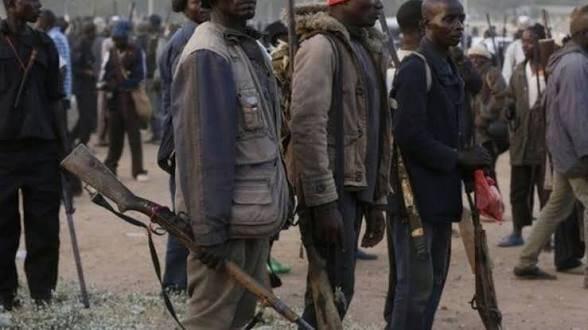
Zagazola Makama report that the latest incident occurred on Friday at about 10:30 a.m. while some Tsobo women were working on their dry-season rice farm. Sources said that suspected Bachama youths stormed the farming area in large numbers and began shooting sporadically. In the process, three women were shot dead,” the source said.
The killing of the three Tsobo women on a dry-season rice farm in Numan is not an isolated tragedy. It is the latest expression of a conflict whose roots lie far deeper than gunshots, farmlands or a single failed peace meeting.
The Bachama–Chobo crisis is a classic Nigerian communal conflict, layered, historical, emotional and politically combustible where land ownership, identity, chieftaincy authority and generational amnesia have fused into a dangerous cocktail.
At its core, the crisis is not merely about who owns which farmland. It is about who belongs, who rules, and who decides the future of a shared space. For centuries, Bachama and Chobo communities lived together in Numan and its environs under a largely harmonious arrangement. Markets were shared. Water points were communal. Schools, hospitals and even marriages crossed ethnic lines. There was no rigid separation between “host” and “settler” in daily life.
That coexistence was sustained not by written treaties or court judgments, but by social contracts rooted in tradition, mutual respect and the authority of traditional institutions. Disputes over land were settled locally. Authority was recognised, even if grudgingly. Peace endured because both sides saw coexistence as more valuable than confrontation.
What has changed is not history but how history is interpreted, weaponised and transmitted to younger generations. The Bachama and Chobo tell fundamentally different origin stories, and each story carries political implications.
The Chobo present themselves as original inhabitants, landlords who accommodated Bachama migrants out of goodwill. From this perspective, the Bachama are “guests” who have overstayed their welcome and now seek to dominate both land and chieftaincy.
The Bachama counter this narrative by portraying the Chobo as mountain dwellers who were encouraged to descend into the plains, settled and supported through leased farmlands. In this account, Bachama authority is not imposed but historically earned.
Neither narrative is neutral. Each defines who has moral legitimacy, who should defer, and who has the right to rule. Once such narratives harden, compromise becomes betrayal and dialogue becomes surrender.
Investigations and community testimonies consistently point to farmland disputes involving Waduku and Rigange as the immediate triggers of violence. But land is only the spark, not the fuel. Land disputes in Nigeria rarely remain about boundaries alone. They quickly evolve into questions of identity and power, especially where farming is the primary means of survival.
For Chobo communities described as largely mountain dwellers, access to fertile plains is existential. For Bachama communities, control of land reinforces political and traditional dominance. Once farming rights are framed as existential threats, moderation disappears.
Historically, traditional rulers resolved such disputes. Today, that mechanism is broken.
The Chobo’s rejection of traditional mediation stems from their perception that the entire traditional hierarchy is Bachama-dominated, making justice structurally impossible. From their standpoint, accepting verdicts from Bachama-led institutions amounts to legitimising subordination.
The Bachama, however, see this rejection as bad faith and intransigence, especially when mediation panels include Chobo representatives. Each side believes the other is deliberately undermining peace. This mutual distrust has hollowed out traditional conflict-resolution systems, leaving a vacuum filled by courts, security forces and increasingly youth militancy.
Perhaps the most dangerous element in the crisis is generational. Older community leaders remember coexistence. Younger actors remember grievance. Many of today’s youths were born into suspicion, not solidarity. They inherited anger without inheriting context.
Slogans like “Sokoto must go” illustrate how historical migration narratives are simplified into political weapons. Such rhetoric does not seek negotiation; it seeks erasure. Once a community is told it must “return” after centuries of settlement, violence becomes not only possible but, to some, justified. Social media, music and street mobilisation have amplified these sentiments, weakening elders’ authority and making youth groups de facto power brokers.
The chieftaincy question has transformed the conflict from communal disagreement into a struggle over sovereignty. Bachama leaders insist that Chobo fall under the statutory authority of the Hamma Bachama. Chobo leaders reject this, seeing it as symbolic domination. Withdrawal of allegiance was not merely cultural, it was political defiance.
Peace talks collapsed largely because reconciliation was framed as submission rather than coexistence. Apologies demanded, loyalties reaffirmed and conditions imposed turned dialogue into a zero-sum contest. In conflicts of identity, dignity often matters more than land.
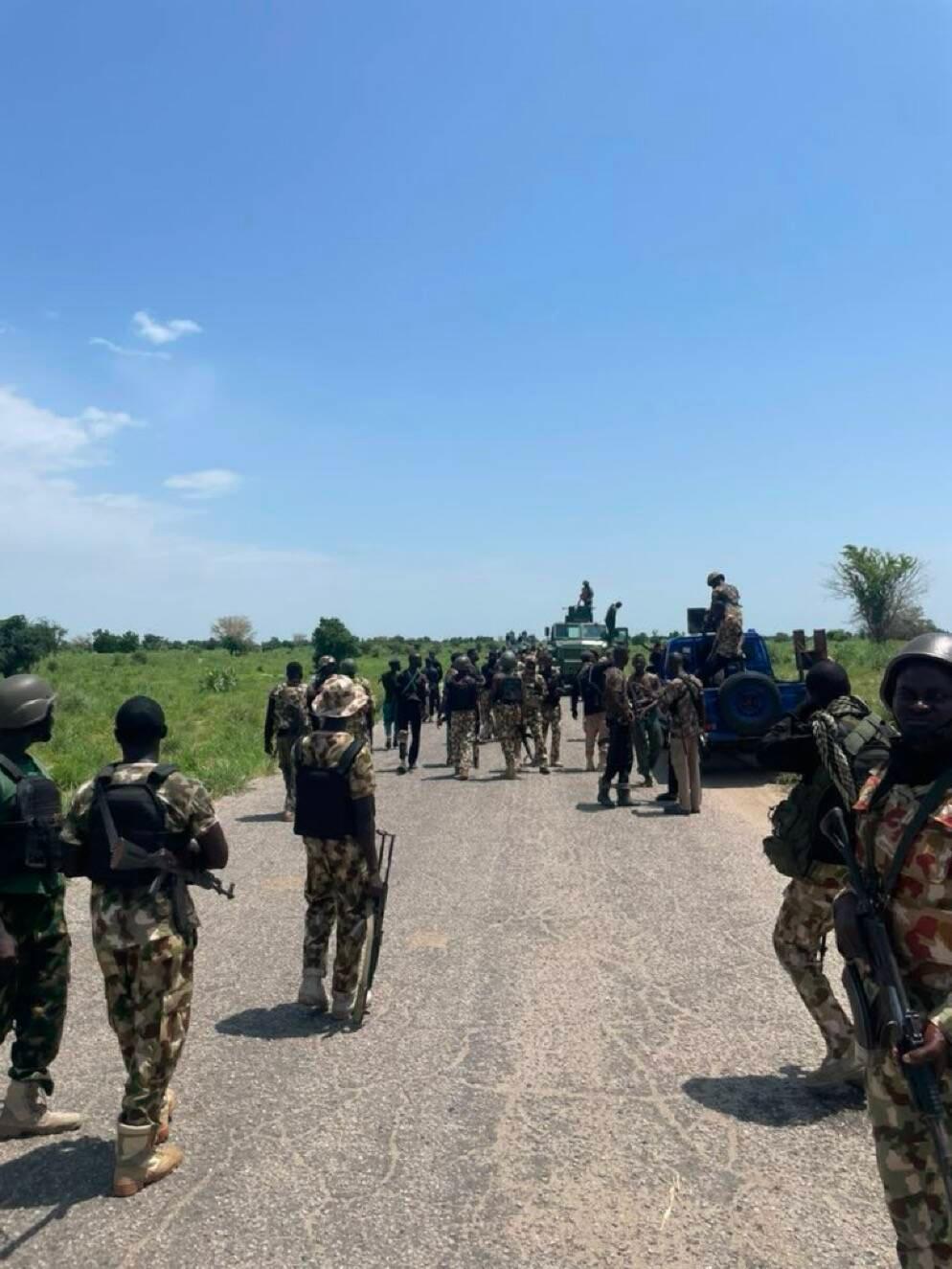
The Adamawa State Government, through peace agencies and direct intervention by Gov. Ahmadu Umar Fintiri, has made sustained efforts to mediate between the warring communities. Multiple meetings involving elders, youth representatives, traditional rulers and government officials have been held. Yet, each round of talks has ended without lasting agreement, often undermined by fresh outbreaks of violence shortly after. Curfews and security deployments have restored temporary calm, but residents say such measures amount to enforced silence rather than genuine peace.
The renewed violence has taken a heavy toll on civilians, particularly women engaged in farming and trading.
Community leaders lament that farms and markets once symbols of shared livelihood have become theatres of bloodshed. The killing of women working on rice farms has deepened fears and resentment, reinforcing the sense that the conflict has spiralled beyond control. The Bachama–Chobo crisis mirrors broader challenges across Nigeria, where disputes over land, identity and traditional authority intersect with weak dispute-resolution mechanisms and rising youth radicalisation.
Until issues of legitimacy, land access and historical grievances are addressed through an inclusive and neutral process, observers warn that violence will continue to recur.