Civilian Harm Mitigation and Response: A Foundation of Military Effectiveness
By Samuel Aruwan
Military institutions are often judged by the force they project, the battles they win and the threats they neutralise. Yet some of the most important lessons from contemporary conflict have emerged not from the application of force, but from the discipline exercised in its use. Across different theatres of conflict, one lesson has become increasingly difficult to ignore: operational effectiveness and civilian protection are not competing objectives. In many cases, they reinforce one another.
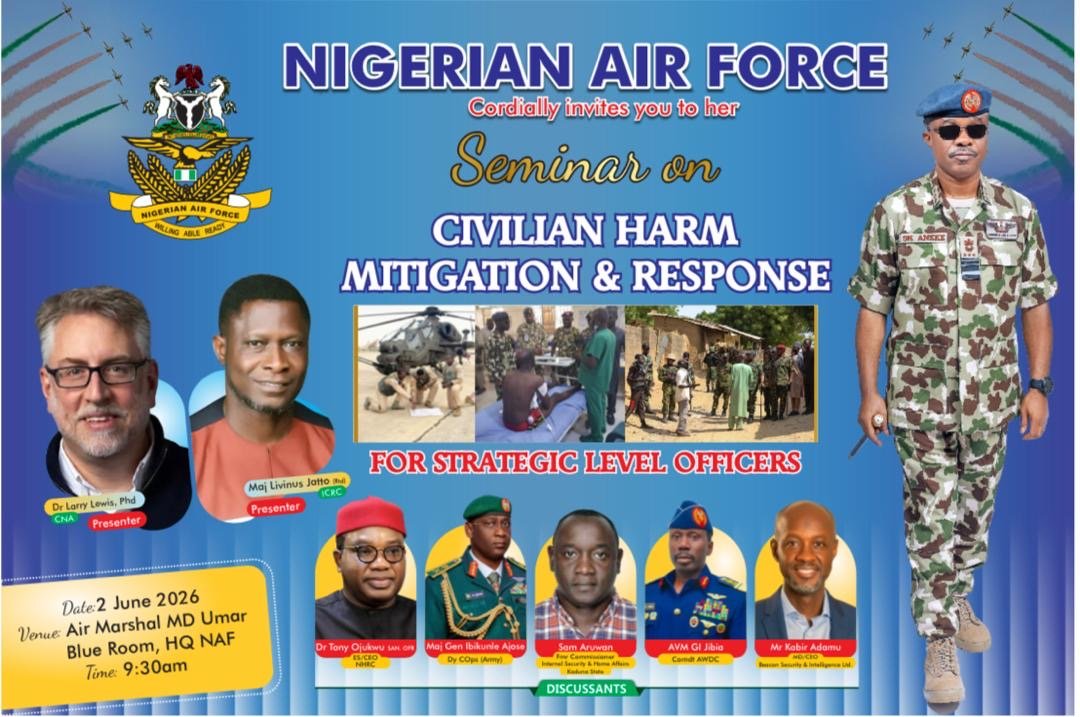
This reality formed the backdrop to the maiden Civilian Harm Mitigation and Response (CHMR) Seminar for Strategic Level Officers organised by the Nigerian Air Force on Tuesday, 2ndJune, 2026, in Abuja at the instance of the Chief of the Air Staff, Air Marshal Sunday Kelvin Aneke. The significance of the seminar was not merely that it was the first of its kind in the history of the Service. Its significance lay in the quality of the conversations it generated and the consensus it produced among military commanders, legal experts, security practitioners, human rights advocates, media professionals and policy analysts.
As one of the discussants, alongside Chief Anthony Ojukwu, Executive Secretary of the National Human Rights Commission, Major General IA Ajose, Deputy Chief of Operations (Army), Air Vice Marshal GI Jibia, Commandant of the Air Warfare and Doctrine Centre, Air Vice Marshal Olatokunbo Adesanya (Rtd) and Air Commodore Oluwole Akinsanya (Rtd), I found the convergence of perspectives particularly striking. Discussants, participants and journalists approached the issue from different professional backgrounds and institutional experiences. Yet by the end of the engagement, there was broad agreement on a proposition that deserves wider national attention: Civilian Harm Mitigation and Response is not an impediment to military effectiveness. Properly understood and properly implemented, it is one of the foundations of military effectiveness.
That position was reinforced from the opening session to the closing remarks.
In his welcome address, the Chief of Civil-Military Relations, Air Vice Marshal Edward Gabkwet, described the seminar as a significant milestone in the Nigerian Air Force’s continuing effort to strengthen professionalism, accountability and civilian protection in air and joint military operations. He reminded participants that contemporary military operations require a careful balance between mission accomplishment and humanitarian considerations, especially in environments where adversaries deliberately exploit civilian vulnerabilities and civilian spaces. More importantly, he argued that CHMR should be viewed as a strategic enabler rather than an operational impediment. He also highlighted the efforts already undertaken by the Air Force to institutionalise the concept through doctrine, training and capacity-building initiatives.
The Chief of the Air Staff took the conversation further. His remarks framed the seminar’s central argument and provided perhaps its most important takeaway. According to Air Marshal Aneke, “operational success can no longer be measured solely by tactical achievements but by the extent to which civilian lives and properties are protected.”
That statement deserves serious reflection.
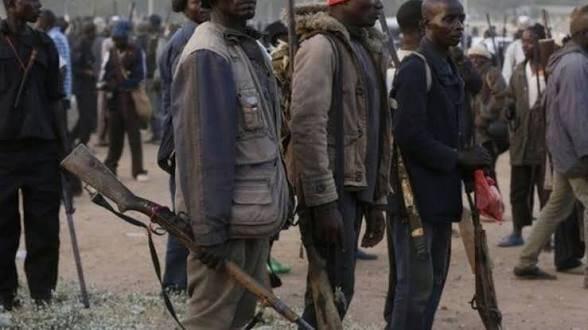
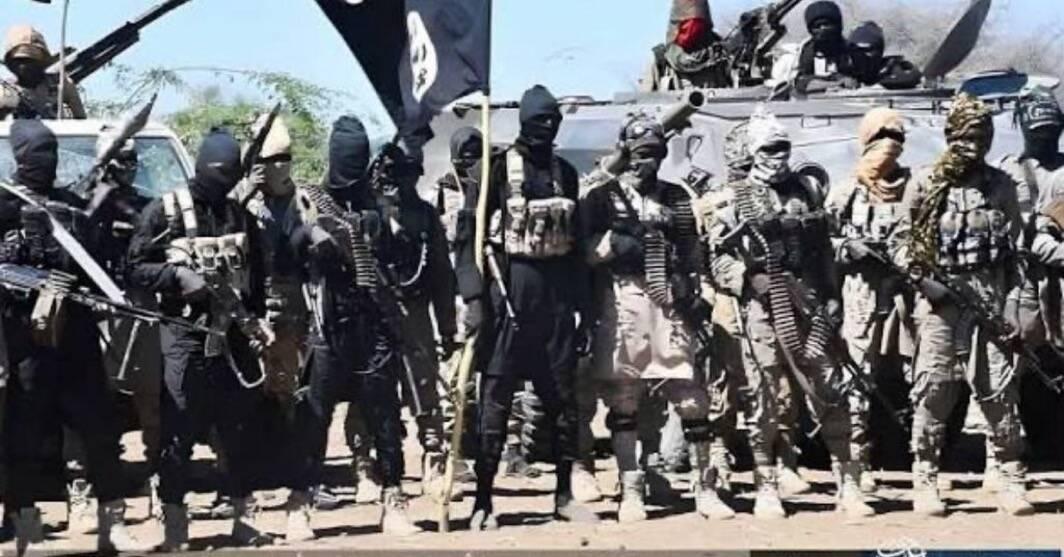
Nigeria’s security forces are engaged in a conflict environment unlike the conventional battlefields that shaped much of twentieth-century military thinking. Terrorists, insurgents, bandits and other violent actors rarely operate from clearly defined military positions. They blend into communities, exploit civilian populations and deliberately create conditions designed to complicate military decision-making. In such circumstances, the protection of civilians becomes more than a legal obligation or humanitarian concern. It becomes a strategic necessity.
Air Marshal Aneke returned repeatedly to the relationship between legitimacy and effectiveness. He observed that “maintaining trust and confidence of our citizens is essential to achieving lasting operational success.” He further noted that allegations arising from military operations, whether verified or otherwise, can affect mission legitimacy, public confidence and institutional reputation. Most significantly, he rejected the notion that civilian protection and military effectiveness exist in tension. As he put it, “Civilian Harm Mitigation and Response is not a constraint on our operational effectiveness; rather, it is a framework that enhances precision, improves decision-making and ultimately preserves strategic legitimacy.” He also reminded participants that where harm occurs, the response must reflect “professionalism, honesty and responsibility.”
That position was reinforced by the presentation delivered by Dr Larry Lewis, one of the world’s foremost authorities on civilian harm mitigation. Drawing on extensive operational research and evidence from contemporary conflicts, Dr Lewis challenged the assumption that civilian protection comes at the expense of military effectiveness. The evidence suggested the opposite. Military organisations that integrated civilian harm mitigation into operational planning often became more precise, more trusted and more effective. They reduced civilian harm while improving operational outcomes.
His presentation was particularly important because it moved the discussion away from theory and into evidence. One of his central arguments was that the assumption that commanders must choose between mission success, force protection and civilian protection is often a false choice. Properly designed measures to protect civilians can simultaneously improve mission effectiveness, intelligence gathering and force protection. Civilian harm mitigation, he argued, is not a humanitarian veto over military action. It is an operational discipline grounded in experience and learning.
Dr Livinus Jatto approached the issue from a different but equally important perspective. His presentation on the implications of International Humanitarian Law and Human Rights Law for air operations reinforced the principles of distinction, proportionality and precaution. Yet the broader significance of his presentation lay in its practical application. These principles are not abstract legal concepts reserved for textbooks and lecture halls. They belong in mission planning, targeting boards and operational decision-making. They are part of the professional discipline required for the lawful and effective use of force.
His emphasis on command responsibility was particularly relevant. Military leaders bear responsibility not only for the conduct of operations but also for ensuring that planning, supervision and accountability mechanisms function effectively. Constant care, he argued, must be exercised in the planning, ordering and execution of military operations.
Dr Kabir Adamu situated the discussion firmly within Nigeria’s operational realities. His presentation examined the relationship between precision, legitimacy, intelligence and operational success. He argued that forces that integrate civilian harm mitigation into their doctrine become more trusted, more intelligence-rich and ultimately more effective. In environments where adversaries deliberately exploit civilian populations and weaponise information, legitimacy becomes a strategic asset rather than a public relations concern.
One of the most valuable aspects of the seminar was the quality of contributions from participants and discussants.
Chief Anthony Ojukwu, Executive Secretary of the National Human Rights Commission, emphasised the importance of strengthening the partnership between the military and the citizens it is mandated to protect. He stressed that operational effectiveness and the recognition of citizens’ rights and safety are not mutually exclusive objectives. Rather, they are complementary responsibilities that reinforce public confidence in state institutions and contribute to long-term security outcomes.
Air Vice Marshal Olatokunbo Adesanya (Rtd) and Air Commodore Oluwole Akinsanya (Rtd) made particularly valuable interventions drawn from years of operational, command and institutional experience. Their contributions reinforced the argument that professional armed forces strengthen their effectiveness, credibility and international standing when military operations are conducted in accordance with international law and globally accepted best practices. They emphasised that Civilian Harm Mitigation and Response should not be viewed merely as a compliance requirement but as a strategic framework that enhances professionalism, operational effectiveness and the reputation of the Nigerian military. Their observations also pointed to practical approaches that can further strengthen institutional capacity and elevate the standing of the Armed Forces of Nigeria as a modern military committed to both mission success and the protection of civilians.
Air Commodore Akinsanya, who serves as Special Adviser on Human Rights to the Chief of Defence Staff, reaffirmed the commitment of the Chief of Defence Staff to the principles underpinning Civilian Harm Mitigation and Response. This position was corroborated by Major General Michael Onoja, Director of Defence Media Operations at Defence Headquarters, whose intervention drew on military history and operational experience to reinforce many of the themes that emerged throughout the seminar. Onoja highlighted the enduring relationship between professionalism, civilian protection and mission legitimacy, arguing that successful military campaigns throughout history have depended not only on battlefield effectiveness but also on maintaining the confidence and support of the population. He also underscored the importance of strategic communication and institutional learning in strengthening contemporary military operations.
Major General Ajose and Air Vice Marshal Jibia were equally insightful, drawing extensively from operational experience to illustrate the practical realities commanders face in complex theatres of conflict. Their observations, grounded in hindsight and field experience, reinforced the view that mitigation begins with planning, intelligence validation, coordination and leadership judgement long before force is employed.
Another important intervention came from Air Vice Marshal CO Obiabaka, the Air Secretary, who argued that the Armed Forces are not an institution detached from society but an assemblage of citizens who have committed themselves to the peace, security and stability of Nigeria. He stressed that military personnel are patriotic and compassionate Nigerians serving under difficult and often dangerous conditions. Obiabaka also expressed concern over the frequent misrepresentation of military activities, a situation that often compels the Armed Forces to devote considerable effort to clarification and rebuttal. His remarks reinforced the need for greater understanding between the military, the media and the wider society. In many respects, his intervention echoed one of the seminar’s recurring themes: effective civil-military relations require not only professional conduct by security institutions but also informed public understanding of the realities and constraints of modern military operations.
The discussants were unanimous on several points. Civilian Harm Mitigation and Response should not be viewed as evidence of weakness or operational hesitation. Mitigation begins with planning and must be prioritised throughout the operational cycle. The media should be treated as a strategic partner in conflict environments, while communication efforts should increasingly be undertaken in local languages spoken within operational theatres. Communities affected by conflict are often the primary targets of misinformation and hostile narratives. If credible information does not reach them quickly and in forms they understand, others will fill the vacuum.
There was also broad agreement that the conversation initiated by the Nigerian Air Force should not remain confined to a single Service. CHMR should be mainstreamed across the Armed Forces of Nigeria and indeed across the wider security architecture.
The seminar concluded with remarks delivered by Air Vice Marshal AY Yaro on behalf of the Chief of the Air Staff. His observations effectively synthesised the major lessons of the engagement. He reminded participants that the Nigerian Air Force derives its mandate from the Constitution and that civilian protection is therefore not separate from that mandate. In one of the most memorable statements of the seminar, he declared that “the protection of civilians is therefore not a constraint upon our operations; it is their very purpose.”
He went further.
“An operation that defeats a threat but forfeits the trust of the population has not advanced our national security objectives—it has set them back.”
Those words captured the essence of the seminar.
Another candid observation reflected an institutional willingness to learn and adapt. As Yaro noted, “we may have learned the hard way but we have learnt.” Professional institutions distinguish themselves not by claiming perfection but by demonstrating the capacity to learn from experience and improve.
The significance of the seminar therefore extends beyond the presentations delivered in Abuja. It reflects an evolving understanding of military professionalism in contemporary conflict environments. It demonstrates a recognition that legitimacy, public trust, intelligence, operational effectiveness and civilian protection are interconnected rather than competing considerations.
The Nigerian Air Force deserves commendation not only for initiating this conversation but also for taking concrete steps to embed CHMR in doctrine, planning, training and operations. More importantly, the conversation should continue. The lessons discussed during the seminar should inform thinking across the wider security sector.
At a time when conflicts are increasingly shaped by information, legitimacy and public confidence, Civilian Harm Mitigation and Response can no longer be viewed as a peripheral concern. It is a strategic capability. It strengthens professionalism. It improves operational outcomes. It enhances legitimacy. It protects the relationship between security institutions and the citizens they are sworn to defend.
Air Marshal Aneke was therefore right when he argued that operational success cannot be measured solely by tactical achievements. The most professional military institutions are not those that choose between effectiveness and civilian protection. They are those that understand that, in contemporary conflict, the intelligent use of force and the protection of civilians are often part of the same mission.
As Dr Adamu aptly observed, air power may win battles, but legitimacy wins wars. The Nigerian Air Force’s maiden Civilian Harm Mitigation and Response initiative represents an important step towards ensuring that Nigeria’s security institutions are equipped to achieve both.
Aruwan is a former Commissioner for Internal Security and Home Affairs in Kaduna State and a postgraduate student at Ahmadu Bello University, Zaria.